Created by - Elite Offshore Pvt Ltd
The Ultimate 'Gate-Pass' to the Oil & Gas Industry: IADC RigPass.
IADC RigPass: The Ultimate Gate-Pass to Offshore Careers | Elite Offshore In the competitive world of offshore drilling, having the right credentials makes all the difference. Elite Offshore Pvt Ltd , a leader in maritime and industrial training based in Navi Mumbai, provides the IADC RigPass —the globally recognized "gate-pass" required by major drilling contractors to ensure every worker understands the core safety foundations of a rig. Why IADC RigPass is Non-Negotiable for Newcomers Whether you are a new graduate or an experienced professional moving into the offshore sector, safety orientation is your first priority. Elite Offshore Pvt Ltd's accredited program ensures you meet international standards through a 100% online e-learning platform. One of the most significant advantages of our course is its lifetime validity. Unlike many offshore certifications that require frequent renewals, your IADC RigPass certificate remains a permanent asset to your professional portfolio. What Does the "Gate-Pass" Cover? Our comprehensive e-learning modules are designed for maximum retention, covering critical safety areas including: Hazard Awareness: Identifying potential equipment and environmental risks. Personal Safety: Mastering the use and maintenance of PPE. Emergency Response: Real-world protocols for fire, medical, and blowout incidents. Environmental Stewardship: Adhering to regulations to protect our oceans. Mapping Your Offshore Journey It is important to remember that while the IADC RigPass is your essential safety foundation, it is the first of several steps. To see how this orientation fits alongside survival training like BOSIET, visit our comparison guide: IADC RigPass vs BOSIET – What’s the Difference? . We also invite you to join our growing professional community on our new official LinkedIn page for regular industry updates. Ready to Start? Take the first step toward a safer and more successful career today. Our training team is available to assist you at every stage of the enrollment process. Click Here to Enroll in IADC RigPass Training Online Contact Elite Offshore Pvt Ltd: Email: training@eliteoffshore.in Phone: +91-22-4970 4933 | +91-80 9747 2277
More detailsPublished - Tue, 16 Apr 2024
Created by - Elite Offshore Pvt Ltd
IADC RigPass vs BOSIET – what’s the difference?
For anyone planning a career in the offshore oil and gas industry, choosing the right safety training course is a critical first step. Two of the most commonly required offshore safety certifications are IADC RigPass and BOSIET. Many candidates are often confused about which course they need, as both focus on safety but serve very different purposes.Understanding the difference between IADC RigPass and BOSIET is essential before enrolling. Selecting the wrong course can lead to wasted time, additional training costs, or even rejection by employers. In this blog, we explain IADC RigPass vs BOSIET, covering course purpose, eligibility, validity, job roles, and which offshore safety course is right for you.What is IADC RigPass?IADC RigPass is an internationally recognised safety training programme developed by the International Association of Drilling Contractors (IADC). It is designed primarily for personnel working in drilling operations, both onshore and offshore.The IADC RigPass course focuses on basic rig safety awareness and safe working practices. Key topics include:Hazard identification and risk assessmentUse of personal protective equipment (PPE)Fire safety and emergency responseStop Work AuthoritySafe behaviour on drilling rigsIADC RigPass certification is commonly required for:Drilling crewRig workersMaintenance personnelContractors entering drilling sitesThis course ensures that workers understand minimum safety expectations before entering a rig environment.Candidates working in drilling operations are usually required to complete IADC RigPass training before joining a rig.For a detailed overview of eligibility, validity, and course content, read our Complete Guide to IADC RigPass.What is BOSIET?BOSIET (Basic Offshore Safety Induction and Emergency Training) is an offshore safety course governed by OPITO. It is mainly required for personnel travelling to offshore installations by helicopter.BOSIET training focuses on offshore emergency preparedness and survival. The course typically includes:Offshore safety inductionHelicopter Underwater Escape Training (HUET)Sea survival techniquesFire fightingBasic first aidBOSIET is mandatory for most personnel working on offshore platforms, FPSOs, and offshore vessels where helicopter travel is involved.Difference Between IADC RigPass and BOSIETAlthough both are offshore safety courses, their objectives and applications are different.Aspect IADC RigPass BOSIETGoverning body IADC OPITOMain focus Rig and workplace safety Offshore emergency & survivalWork environment Onshore & offshore drilling Offshore installationsHelicopter training Not included Included (HUET)Typical job roles Rig crew, drilling contractors Offshore installation personnelValidity As per IADC guidelines 4 yearsThis comparison clearly shows that IADC RigPass and BOSIET are not interchangeable.IADC RigPass or BOSIET – Which Course Do You Need?The choice between IADC RigPass or BOSIET depends on your job role and work location.Choose IADC RigPass if:You are joining a drilling rigYou are working in drilling-related operationsYour employer requires basic rig safety trainingYou are a fresher entering the drilling industryChoose BOSIET if:You will travel offshore by helicopterYou are working on offshore platforms or FPSOsYour employer specifically asks for BOSIET certificationIn some cases, workers may be required to complete both IADC RigPass and BOSIET, depending on project requirements.Is IADC RigPass Mandatory for Offshore Jobs?A common question is whether IADC RigPass is mandatory for offshore jobs. The answer is no, not for all roles.IADC RigPass is mainly required for:Drilling and rig-related positionsFor offshore production, maintenance, or marine roles, BOSIET is usually mandatory instead. Always confirm training requirements with your employer or recruitment agency.IADC RigPass vs BOSIET for FreshersFor freshers entering the oil and gas industry, choosing the right offshore safety course is crucial.Freshers aiming for drilling jobs should start with IADC RigPassFreshers targeting offshore platform roles should opt for BOSIETThere is no “better” course — only the right course based on your career path.Final ThoughtsBoth IADC RigPass and BOSIET are essential offshore safety training programmes, but they serve different purposes. While IADC RigPass focuses on rig-specific safety awareness, BOSIET prepares personnel for offshore emergencies and survival scenarios.Before enrolling, always consider:Your job roleWork environmentEmployer or client requirementsChoosing the correct offshore safety course will save time, money, and help you start your offshore career smoothly.Need Help Choosing Between IADC RigPass and BOSIET?If you are unsure whether IADC RigPass or BOSIET is required for your role, our team can guide you based on industry and employer requirements.???? Enrol in IADC RigPass training at eliteoffshore.inContact Elite Offshore Pvt Ltd to enrol in the right offshore safety training and improve your job readiness.
More detailsPublished - Wed, 04 Feb 2026
Created by - Elite Offshore Pvt Ltd
IADC RigPass: 8 Common Mistakes and Misconceptions
Every week, our team receives questions from candidates preparing to start their IADC RigPass training. Many of these questions involve common misunderstandings about what RigPass covers, how the programme is delivered, and what the certificate means. Understanding these points can help candidates choose the appropriate training and avoid assuming that one certificate covers requirements that may be separate. Here are some of the most common mistakes and misconceptions about IADC RigPass. Mistake 1: Assuming RigPass Is a Single, Fixed Course IADC RigPass is a standardized safety orientation programme for oil and gas operations, both onshore and offshore. The IADC accreditation system identifies the core elements of safety orientation programmes and provides a means of recognizing programmes that meet those requirements. Accredited training providers may develop and use their own training activities to customize the programme, while still meeting the applicable IADC requirements. RigPass programmes can also include applicable onshore/land or offshore endorsement content. This is why it is important to choose a training provider whose RigPass programme is accredited by IADC. IADC maintains a list of accredited RigPass providers and provides a facility for verifying IADC certificates. Mistake 2: Confusing RigPass with H2S Training or WellSharp RigPass is a general safety orientation programme designed to prepare personnel for oil and gas operating environments. It is not the same as H2S Awareness training or WellSharp. H2S training focuses specifically on the hazards and safe working practices associated with hydrogen sulphide, while WellSharp is an IADC well-control training and assessment programme. Depending on the employer, position and worksite, candidates may be required to complete additional training or certifications. Always check the specific requirements for the role rather than assuming that one certificate covers every requirement. Mistake 3: Thinking Onshore and Offshore Content Are the Same RigPass has a common safety orientation component, but applicable land/onshore and offshore endorsements address the different operating environments. Offshore operations can involve additional safety considerations associated with marine operations, helicopter transportation, personnel transfer and water-related hazards. Land/onshore operations have different considerations, including hazards associated with excavation, trenches, pits and ponds. If you are preparing for an offshore position, make sure you understand which endorsement your RigPass programme is qualified to issue. IADC-accredited providers may be qualified to issue the Land/Onshore Endorsement, Offshore Endorsement, or both, depending on their accreditation. Mistake 4: Believing eLearning Certification Is Less Valid Than Classroom Training The delivery method does not by itself determine whether a RigPass programme is accredited. What is important is that the programme is delivered under an applicable IADC accreditation. IADC's current list of accredited RigPass providers includes programmes delivered through eLearning, demonstrating that electronic delivery can be used by appropriately accredited programmes. However, candidates should always verify that the specific provider and programme are currently accredited and qualified to issue the applicable endorsement. Mistake 5: Assuming RigPass Certification Has an Expiry Date One of the most common misconceptions is that an IADC RigPass student certificate needs to be renewed after a fixed period. Important Fact According to IADC, student certificates do not expire. This is different from IADC RigPass instructor certificates, which expire after five years. Therefore, once a student successfully completes an accredited RigPass programme and receives an IADC Certificate of Completion, the student certificate does not have an expiry date or routine renewal requirement. Mistake 6: Assuming RigPass Guarantees a Job Completing RigPass does not guarantee employment. IADC describes RigPass as a standardized safety orientation programme intended to prepare personnel for oil and gas operating environments and to confirm that personnel have met basic safety-orientation requirements defined by safety and training professionals in the drilling industry. RigPass is therefore a safety orientation credential, not a job placement programme, employment guarantee or technical/trade qualification. Employers may have additional requirements based on the position, worksite and specific responsibilities. Mistake 7: Skipping Knowledge Assessment Preparation Because RigPass is a safety orientation programme, candidates should take the knowledge assessment seriously. IADC's accreditation procedures require completion of the HSE RigPass orientation to be documented through a knowledge assessment. The procedures specify a minimum passing score of 80%. If a trainee does not pass, one reassessment must be made available. If the trainee does not pass the reassessment, the trainee must attend the full course again and pass the assessment to achieve certification. Candidates should therefore review the course material carefully rather than simply clicking through the eLearning modules without understanding the content. Mistake 8: Not Verifying the Provider's Accreditation Status Not every course using the name "RigPass" should automatically be assumed to be an IADC-accredited programme. IADC maintains an official list of accredited RigPass training providers. It also provides a system for verifying IADC Certificates of Completion. Before enrolling, candidates should verify the provider's accreditation status and confirm that the provider is qualified to issue the endorsement required for their intended work environment. IADC RigPass Training at Elite Offshore Pvt. Ltd. Elite Offshore Pvt. Ltd. is listed by IADC as an Accredited Commercial Training Program and is qualified to issue the Onshore and Offshore Endorsement. IADC's current listing shows the programme as being delivered in English. Candidates completing an accredited IADC RigPass programme receive an IADC Certificate of Completion upon successfully meeting the applicable requirements. IADC states that student certificates do not expire. Interested in IADC RigPass training? Contact Elite Offshore Pvt. Ltd. for course information and enrolment details. Frequently Asked Questions Does IADC RigPass certification expire? No. According to IADC, student certificates do not expire. IADC RigPass instructor certificates are subject to a five-year expiry period, but this does not apply to student certificates. Is IADC RigPass eLearning valid? IADC-accredited RigPass programmes can be delivered through electronic learning where the programme and provider meet the applicable IADC accreditation requirements. IADC's current accredited-provider listing includes RigPass programmes delivered through eLearning. Candidates should verify the accreditation status of the specific provider and programme before enrolling. Is IADC RigPass the same as H2S or WellSharp training? No. RigPass is a standardized safety orientation programme, while H2S training and WellSharp address different training requirements. Depending on the job and employer, additional training may be required. Does RigPass guarantee a job on a rig? No. RigPass confirms completion of an accredited safety orientation programme; it does not guarantee employment. Employers may have additional training, certification, experience and competency requirements for specific positions. What is the passing score for the RigPass knowledge assessment? IADC's accreditation procedures specify a minimum passing score of 80% for the knowledge assessment. One reassessment must be made available if the trainee does not pass the initial assessment. Information source: IADC RigPass accreditation information, IADC RigPass curriculum and accreditation procedures. Requirements and accreditation status should always be verified against the current IADC information before enrolment. ``` .iadc-rigpass-blog { width: 100%; margin: 0; padding: 20px 24px 50px 0; font-family: "Poppins", "Segoe UI", Arial, sans-serif; color: #263238; line-height: 1.75; font-size: 16px; box-sizing: border-box; } .iadc-rigpass-blog * { box-sizing: border-box; } .iadc-rigpass-blog h1 { font-size: 36px; line-height: 1.25; font-weight: 700; color: #0b3d6e; margin: 0 0 18px; letter-spacing: -0.3px; text-align: left; } .iadc-rigpass-blog h2 { font-size: 25px; line-height: 1.35; font-weight: 700; color: #0b3d6e; margin: 45px 0 16px; padding-bottom: 8px; border-bottom: 2px solid #dbe8f3; text-align: left; } .iadc-rigpass-blog h3 { font-size: 20px; line-height: 1.45; font-weight: 700; color: #164f7d; margin: 30px 0 10px; text-align: left; } .iadc-rigpass-blog p { margin: 0 0 18px; text-align: left; } .iadc-rigpass-blog strong { color: #173f63; font-weight: 700; } .iadc-rigpass-blog .intro { font-size: 17px; line-height: 1.8; color: #455a64; margin-bottom: 30px; text-align: left; } .iadc-rigpass-blog .mistake { margin: 0 0 34px; padding: 24px 26px; background: #f7fafc; border-left: 4px solid #1976b9; border-radius: 0 8px 8px 0; } .iadc-rigpass-blog .mistake h3 { margin-top: 0; margin-bottom: 12px; } .iadc-rigpass-blog .key-fact { margin: 28px 0; padding: 22px 25px; background: #eef7fc; border: 1px solid #c9e2f1; border-radius: 8px; } .iadc-rigpass-blog .key-fact-title { font-size: 18px; font-weight: 700; color: #0b3d6e; margin-bottom: 8px; } .iadc-rigpass-blog .elite-section { margin-top: 45px; padding: 28px 30px; background: #f4f8fb; border: 1px solid #d7e5ef; border-radius: 10px; } .iadc-rigpass-blog .elite-section h2 { margin-top: 0; border-bottom: none; padding-bottom: 0; } .iadc-rigpass-blog .cta { margin-top: 25px; padding: 18px 22px; background: #0b3d6e; color: #ffffff; border-radius: 8px; font-size: 17px; line-height: 1.6; } .iadc-rigpass-blog .cta strong { color: #ffffff; } .iadc-rigpass-blog .faq { margin: 0 0 18px; padding: 20px 24px; border: 1px solid #dce6ed; border-radius: 8px; background: #ffffff; } .iadc-rigpass-blog .faq h3 { margin: 0 0 9px; font-size: 18px; color: #0b3d6e; } .iadc-rigpass-blog .faq p { margin-bottom: 0; } .iadc-rigpass-blog .source-note { margin-top: 35px; padding-top: 18px; border-top: 1px solid #dce6ed; font-size: 13px; line-height: 1.6; color: #687780; text-align: left; } .iadc-rigpass-blog a { color: #1269a8; text-decoration: underline; } .iadc-rigpass-blog a:hover { color: #0b3d6e; } @media (max-width: 768px) { .iadc-rigpass-blog { padding: 15px 18px 40px 0; font-size: 15.5px; line-height: 1.7; } .iadc-rigpass-blog h1 { font-size: 29px; } .iadc-rigpass-blog h2 { font-size: 22px; margin-top: 36px; } .iadc-rigpass-blog h3 { font-size: 18px; } .iadc-rigpass-blog .intro { font-size: 16px; } .iadc-rigpass-blog .mistake, .iadc-rigpass-blog .elite-section { padding: 20px; } .iadc-rigpass-blog .faq { padding: 18px 20px; } } @media (max-width: 480px) { .iadc-rigpass-blog { padding: 12px 15px 35px 0; font-size: 15px; } .iadc-rigpass-blog h1 { font-size: 25px; } .iadc-rigpass-blog h2 { font-size: 20px; } .iadc-rigpass-blog .mistake, .iadc-rigpass-blog .elite-section, .iadc-rigpass-blog .faq, .iadc-rigpass-blog .key-fact { padding: 17px; } }
More detailsPublished - Wed, 23 Sep 2026
Search
Popular categories
OSHA & Industrial Safety Courses
26Liberia Approved Rig Courses
7Offshore Oil and Gas Rig Courses
6Marine and Offshore
5IADC Approved - E learning
3Port & Marine Courses
2Latest blogs

Why Companies Should Arrange Practical Safety Training for Their Teams
2 Days Ago
IADC RigPass: 8 Common Mistakes and Misconceptions
Wed, 23 Sep 2026
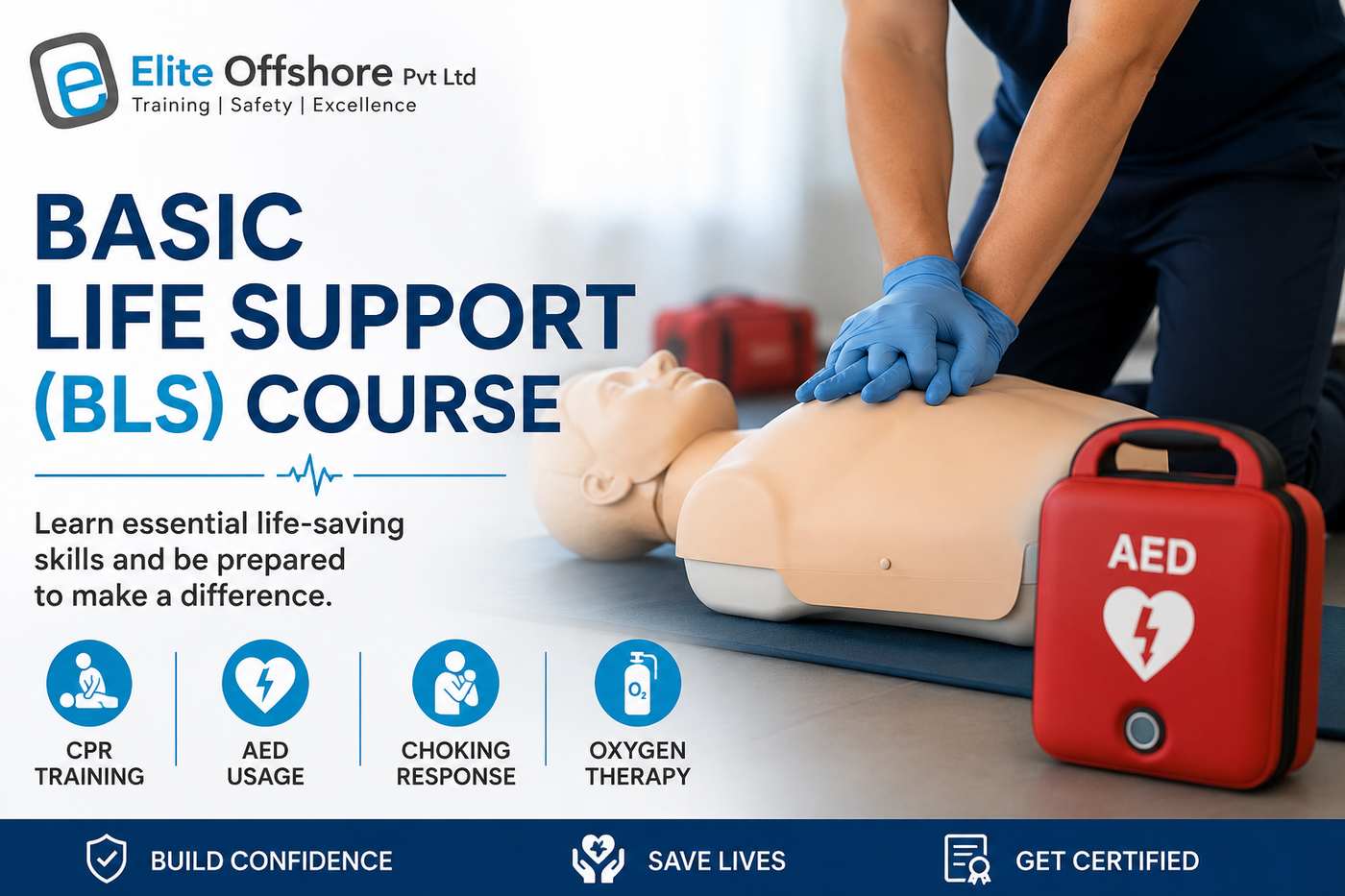
Basic Life Support (BLS) Course: Learn CPR, AED Use and Emergency Response Skills
Mon, 10 Aug 2026
Write a public review