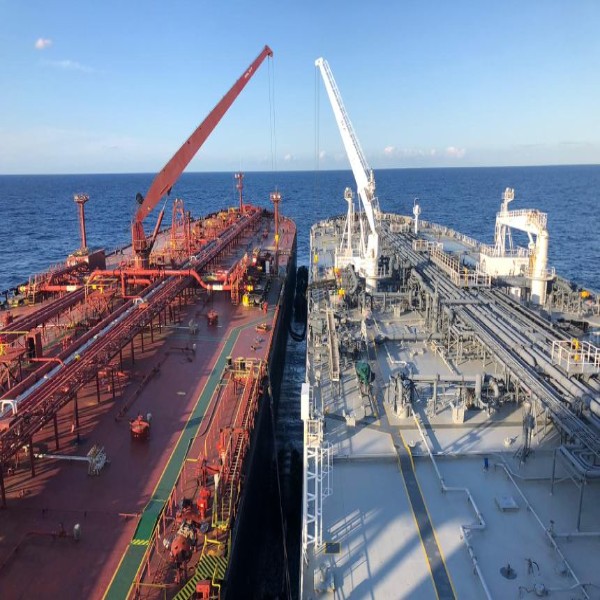
STS transfer operations refer to
the bulk cargo,
transfers, either oil or gas from one vessel to another in open water. Such
operations are conducted where bigger vessels cannot enter a port due to draft
restrictions. It saves them the cost and time it takes for port berthing.
Although ship-to-ship transfer have been an effective means of avoiding port limitations, they are extremely hazardous, both in relation to the environment as well as to human beings. Additionally, there is even a chance of pollution, fire, or leakage without mooring in open water. The highest degree of safety and environmental precautions has to be implemented to ensure that these activities do not affect marine ecosystems or coastal regions.
While STS transfers offer economy and flexibility, the need to balance operational efficiency with environmental responsibility is a consideration of paramount importance in the quest to ensure safe and sustainable management of bulk cargo transfer operations.
What will I learn?
- 1. Manoeuvring a vessel when carrying out an STS operation
- 2. Forces in connection with the use of rudder and propeller.
- 3. Use of bow thruster and different types of tugs
- 4. STS operation without tugboats underway including ship to ship interaction
- 5. Manoeuvring in shallow water and under different environmental conditions
- 6. Shallow water and banking effect
- 7. Anchoring procedure
- 8. How to secure fenders in a safe way and shifting / sailing with fenders alongside.
- 9. Selecting fender size, amount of fenders and assessing their strengths and limitations.
- 10. Mooring arrangement, contact and agreement with the other vessel and different types of moorings and procedures for mooring during STS including mooring operations under different environmental conditions.
- 11. Use of checklist as required and exchange of experience between Masters, Pilots and Mooring Masters. Briefing and debriefing as applicable
- 12. Tanker specific layouts
- 13. Guidelines from OCIMF
- 14. MARPOL requirements
- 15. Typical STS plan
- 16. Manoeuvring during mooring and unmooring
- 17. Contingencies ( E.g. aborting the approach, pollution)
- Familiarity with maritime operations is recommended for STS transfer courses.
- Health certifications may be required for working in high-risk environments.
- Typically, participants must be 18 years or older.
- Good physical condition is essential for safety in dynamic ship operations.
- Previous maritime certifications like STCW may be required for certain courses.
- Relevant experience in shipping or vessel operations may be beneficial.
- 1. What is Ship to Ship (STS) Transfer Operations training?
Ship to Ship Transfer Operations training teaches maritime professionals how to plan and carry out cargo transfers between vessels safely, with a focus on ship handling, mooring, risk control and emergency procedures. - 2. Who should take Ship to Ship Transfer Operations training?
The course is suitable for Masters, deck officers, seafarers and other maritime personnel involved in tanker, cargo or vessel-to-vessel transfer operations. - 3. What is covered in an STS transfer operation?
STS operations involve preparing and manoeuvring vessels, coming alongside, securing with fenders and mooring lines, conducting cargo transfer, and safely completing unmooring and separation. - 4. Why is Ship to Ship Transfer training important for seafarers?
STS operations involve close manoeuvring, mooring, cargo transfer and environmental risks. Proper training helps personnel understand the hazards and follow safe operating practices. - 5. What regulations and guidelines are covered in STS training?
The course covers relevant MARPOL requirements, STCW guidance and ICS/OCIMF recommendations, along with STS planning, checklists and operational safety practices. - 6. What are the main risks involved in Ship to Ship transfer operations?
Common risks include vessel contact, mooring failure, cargo leakage, fire, pollution, poor weather and unsafe ship interaction. Training focuses on identifying and controlling these risks. - 7. Does the course cover STS mooring and fendering procedures?
Yes. The training covers mooring arrangements, fender selection and securing, line handling, contact between vessels, and safe mooring and unmooring practices. - 8. Does STS training include emergency and contingency procedures?
Yes. Participants learn how to respond to situations such as an aborted approach, pollution incident and other contingencies that may occur during an STS operation. - 9. What will I learn about vessel manoeuvring during STS operations?
The course covers ship handling during STS operations, including rudder and propeller forces, bow thrusters, tugs, shallow-water effects, environmental conditions and vessel interaction. - 10. Is Ship to Ship Transfer Operations training available online?
Yes. Elite Offshore Pvt Ltd offers the STS course through online and offline training, with a course duration of 16 hours and access available for six months.
Write a public review