Published - Mon, 03 Jun 2024
 VHF Marine Radio Short Range Course by Elite Offshore

VHF Marine Radio Short Range Course by Elite Offshore

 VHF Marine Radio Short Range Course by Elite Offshore

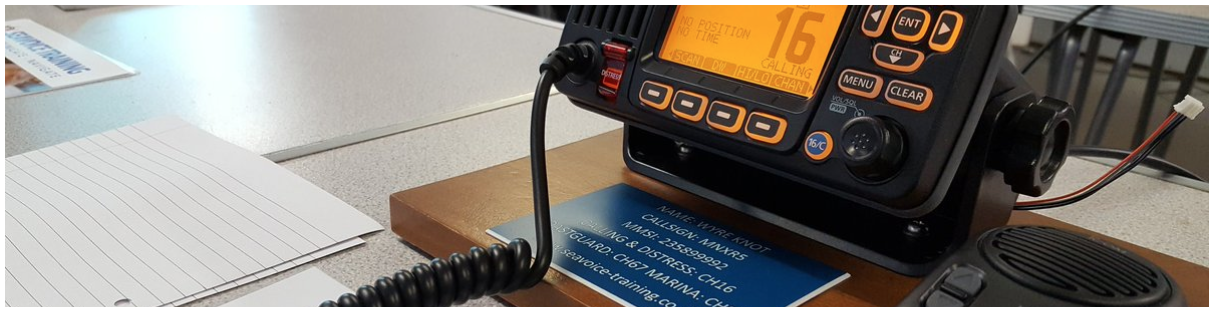
In the dynamic and demanding environments of the offshore and marine industries, effective communication is crucial for ensuring safety and operational efficiency. The VHF Marine Radio Short Range Course offered by Elite Offshore Pvt Ltd is specifically designed for individuals working in these industries who do not need to comply with the GMDSS requirements but still require robust communication skills. This comprehensive training program adheres to the International Maritime Organization (IMO) guidelines, ensuring participants gain essential knowledge and practical skills for utilizing VHF marine radios effectively.

 Course Overview

The VHF Marine Radio Short Range Course is a thorough program that covers the fundamental principles, operational procedures, and regulatory aspects of VHF marine radio communications. The course is structured to provide a blend of theoretical knowledge and practical hands-on experience, ensuring that participants are well-prepared to handle real-world communication scenarios.

General Principles and Basic Features:

- Maritime Mobile Service:
  - Overview: Introduction to the maritime mobile service, including its relevance to vessels not subject to compulsory fit under the SOLAS convention.
  - Types of Communication: Detailed exploration of the different types of communication within the maritime mobile service.
  - Types of Stations: Understanding the various types of stations involved in the maritime mobile service.
  - Radio Frequencies and Channels: Elementary knowledge of radio frequencies and channels appropriate to the VHF maritime mobile band.
  - Functionality of Ship Station Equipment: Overview of the basic features and functionalities of ship station equipment.

Types of Communication in Maritime Mobile Service:

- Voice Communication: Utilizing VHF radios for voice communication, including protocols and etiquette.
- Digital Communication: Introduction to digital communication methods used in the maritime mobile service.

Radiotelephone Channels:

- Overview and Usage: Detailed information on radiotelephone channels, including their specific purposes and how to use them effectively.
- Channel Allocation: Understanding the allocation of channels for different communication needs.

Basic Controls and Usage:

- Hands-on Training: Practical exercises focusing on the basic controls and proper usage of VHF radiotelephone equipment.
- Troubleshooting: Basic troubleshooting techniques for common issues with VHF radios.

Portable Two-Way VHF Radiotelephone Apparatus:

- Operation and Maintenance: Detailed instruction on operating and maintaining portable two-way VHF radiotelephone apparatus.
- Practical Exercises: Hands-on practice with portable VHF radios to ensure proficiency.

Maritime VHF Antennas:

- Types and Installation: Overview of different types of maritime VHF antennas and their installation procedures.
- Maintenance: Best practices for maintaining VHF antennas to ensure optimal performance.

Purpose and Use of DSC Facilities:

- Introduction to DSC: Understanding the purpose and functionality of Digital Selective Calling (DSC) facilities.
- Types of Calls: Different types of DSC calls, including routine, safety, and distress calls.
- MMSI System: Detailed explanation of the Maritime Mobile Service Identity (MMSI) number system and its importance.
- Call Categorization and Priority: Understanding the categorization and priority of calls, such as Mayday, Pan-Pan, and Securite.
- Call Telecommand and Traffic Information: Procedures for call telecommand and managing traffic information.
- VHF DSC Facilities and Usage: Hands-on training on using VHF DSC facilities.

Protection of Distress Frequencies:

- Regulations and Best Practices: Guidelines for protecting distress frequencies to ensure they are available for emergency use.
- Practical Exercises: Simulated scenarios to practice maintaining clear distress frequencies.

Maritime Safety Information:

- Receiving and Interpreting: How to receive and interpret maritime safety information via VHF radio.
- Alerting and Locating Signals: Overview of alerting and locating signals, including their practical applications.

Emergency Position Indicating Radio Beacons (EPIRBs):

- Function and Usage: Understanding the function and proper usage of EPIRBs in emergency situations.
- Testing and Maintenance: Procedures for testing and maintaining EPIRBs to ensure readiness.

Search and Rescue Radar Transponder (SART):

- Purpose and Operation: Detailed instruction on the purpose and operation of SART devices.
- Practical Training: Hands-on exercises using SART to simulate real-life search and rescue scenarios.

Exchanging Safety Communications:

- Safety of Life at Sea: Ability to exchange communications relevant to the safety of life at sea.
- Distress Communications: Understanding and practicing distress communication protocols.
- Urgency and Safety Communications: Procedures for handling urgency and safety communications effectively.

Reception of Maritime Safety Information:

- Using VHF Radiotelephone: How to receive and process maritime safety information via VHF radiotelephone.

IMO Standard Marine Navigational Vocabulary:

- Communication Clarity: Awareness of the existence and use of the IMO Standard Marine Navigational Vocabulary to ensure clear communication.
- International Phonetic Alphabet: Use of the international phonetic alphabet for accurate and clear communication.

Regulations and Obligatory Procedures:

- Compliance: Ensuring compliance with regulations, obligatory procedures, and best practices.
- Radiotelephone Call Procedures: Practical and theoretical knowledge of radiotelephone call procedures.
- Traffic Charges: Understanding traffic charges associated with VHF communication.
- Practical Traffic Routines: Hands-on practice with practical traffic routines to build confidence and proficiency.


Participants in the VHF Marine Radio Short Range Course will gain:

- Enhanced Communication Skills: Improved ability to handle VHF marine radio communications efficiently and effectively.
- Safety and Compliance: Knowledge and skills to ensure compliance with IMO guidelines and enhance safety at sea.
- Practical Experience: Hands-on experience with VHF radio equipment, ensuring readiness for real-world scenarios.
- Confidence in Emergency Situations: Preparedness to manage distress, urgency, and safety communications confidently.


The VHF Marine Radio Short Range Course by Elite Offshore is an essential training program for maritime professionals in the offshore and onshore oil and gas industries, as well as the broader marine industry. By covering a comprehensive range of topics, from basic principles to advanced operational procedures, the course ensures that participants are well-equipped to handle all aspects of VHF marine radio communication. This training not only enhances individual skills but also contributes to the overall safety and efficiency of maritime operations.

For any further information, please contact training@eliteoffshore.in or call +91-22-4970 4933 or +91-80 9747 2277. You may visit our website https://eliteoffshore.in (for all courses) or https://ecademy.eliteoffshore.in (for e-learning courses).

Visit the training centre at below address:
Elite Offshore Pvt. Ltd.
G- 5, Platform Level, Tower-3, Belapur Railway Station Complex, Sector-11, C.B.D. Belapur, Navi Mumbai-400614.
Contact No. +91-80-9747-2277, +91-22-4970-4933, +91-22-4600-3839

Email: info@eliteoffshore.in or training@eliteoffshore.in 

Created by

Elite Offshore Pvt Ltd

Elite Offshore Pvt Ltd, established 2015, headquartered in CBD Belapur, Navi Mumbai, is a renowned training institution specializing in safety and skill courses for the offshore and industrial sectors. With a commitment to excellence, Elite Offshore offers a wide range of courses designed to meet the specific needs of professionals working in challenging environments. These courses include BOSIET, HUET, HLO, HDA, OERTM, OERTL, and more, ensuring that individuals are equipped with the necessary knowledge and skills to excel in their roles. As a trusted name in the industry, Elite Offshore is known for its state-of-the-art facilities, experienced trainers, and adherence to international safety standards. Through their training programs, they aim to enhance safety, efficiency, and proficiency in offshore and industrial operations, contributing to the success and well-being of professionals and organizations alike. Learn more about Elite Offshore Pvt Ltd and their comprehensive training solutions at https://eliteoffshore.in. Elite Offshore Pvt Ltd was founded with a clear goal - to enhance safety standards and promote unmatched skills development in the offshore industry. Established in 2015, the institute quickly gained a reputation as a reliable partner for individuals and organizations seeking exceptional training programs. With a commitment to delivering top-quality training solutions, Elite Offshore has become a recognized name in providing complete safety and skill development programs for the industrial and offshore oil and gas sector. It's not just a training center but a hub of knowledge, safety, and professional growth.

Elite Offshore Pvt Ltd: Leading the Way in Safety and Skill Training 

Founded with a vision to revolutionize safety and skill training in the offshore and industrial sectors, Elite Offshore Pvt Ltd stands tall as a beacon of excellence in CBD Belapur, Navi Mumbai. Established in 2015, Elite Offshore has rapidly emerged as a trusted name, delivering top-notch courses and certifications to professionals across various industries.

Inception and Growth:

Elite Offshore Pvt Ltd was born in 2015 from a passion for ensuring the utmost safety and efficiency in offshore and industrial operations. The founders envisioned a training institution that would not only impart essential skills but also instill a culture of safety consciousness among professionals.

In the early days, Elite Offshore started its journey with a modest team of highly skilled trainers and a commitment to providing cutting-edge training facilities. The institution quickly gained recognition for its hands-on approach, practical training modules, and adherence to international safety standards.

Courses Offered:

One of the key pillars of Elite Offshore's success is its diverse range of courses catering to the specific needs of the offshore and industrial sectors. The institution offers a comprehensive suite of training programs, including:

1. Basic Offshore Safety Induction and Emergency Training (BOSIET): Equipping professionals with essential survival skills and emergency response training for offshore environments.

2. Helicopter Underwater Escape Training (HUET): Providing the knowledge and techniques needed to escape safely from a submerged helicopter.

3. Helideck Assistant (HLO): Training individuals in the safe and efficient management of helideck operations.

4. Hazardous Area Classification (HDA): Understanding the classification and management of hazardous areas in industrial settings.

5. Offshore Emergency Response Team Member (OERTM): Developing the skills required to be part of an emergency response team in offshore installations.

6. Offshore Emergency Response Team Leader (OERTL): Training individuals to lead and coordinate emergency response efforts in offshore environments.

7. Liberia approved OIM, Barge Supervisor, Ballast Control Operator, Maintenance Supervisor.

and many more. Visit
https://eliteoffshore.in for more details.

Excellence in Training:

What sets Elite Offshore apart is its unwavering commitment to excellence in training. The institution boasts state-of-the-art training facilities equipped with the latest technology and simulators. This allows participants to experience real-life scenarios in a controlled environment, enhancing their learning and preparedness.

Moreover, Elite Offshore's team of seasoned trainers brings a wealth of industry experience and expertise to the classroom. Their practical insights and hands-on approach ensure that participants not only grasp theoretical concepts but also develop the necessary skills to excel in their roles.

Industry Recognition and Achievements:

Over the years, Elite Offshore Pvt Ltd has garnered numerous accolades and certifications for its exceptional training standards. The institution is proud to be accredited by prestigious bodies such as IADC, Liberia Govt etc, ensuring that its courses meet the highest industry standards.

Elite Offshore has also forged strong partnerships with leading companies in the offshore and industrial sectors. These collaborations have enabled the institution to stay abreast of industry trends, emerging technologies, and evolving safety regulations.

Future Ambitions:

Looking ahead, Elite Offshore Pvt Ltd has ambitious plans to further expand its footprint in the realm of safety and skill training. The institution aims to:

1. Enhance Course Offerings: Continuously innovate and introduce new courses that address the evolving needs of the offshore and industrial sectors.

2. Global Expansion: Explore opportunities to establish training centers in key offshore hubs worldwide, catering to an international clientele.

3. Research and Development: Invest in research and development initiatives to develop advanced training methodologies and simulators.

4. Corporate Social Responsibility: Engage in meaningful CSR initiatives aimed at promoting safety awareness and skill development in local communities.

5. Industry Partnerships: Strengthen collaborations with industry leaders, academic institutions, and regulatory bodies to drive excellence in safety and skill training.

Conclusion:

In a world where safety and efficiency are paramount in offshore and industrial operations, Elite Offshore Pvt Ltd stands as a beacon of excellence. With its unwavering commitment to providing top-tier training, cutting-edge facilities, and a team of industry-leading trainers, the institution continues to shape the future of safety and skill development.

As Elite Offshore embarks on its journey towards greater heights, its mission remains clear: to empower professionals with the knowledge, skills, and confidence to navigate the challenges of the offshore and industrial sectors safely and effectively.

For more information about Elite Offshore Pvt Ltd and its range of courses, visit https://eliteoffshore.in or write to info@eliteoffshore.in or training@eliteoffshore.in.

View profile

Comments (0)

Search
Popular categories
Latest blogs
Shoulder Breadth Measurement Training
Why Shoulder Breadth Measurement Training Matters for Offshore SafetyIn offshore operations, safety is never just a checklist—it’s a combination of preparation, precision, and understanding the smallest details that can make a big difference. One such critical detail, often overlooked outside the industry, is shoulder breadth measurement. For professionals who travel to offshore installations by helicopter, this measurement can directly impact evacuation safety and seating compatibility.At Elite Offshore Pvt Ltd, training programs are designed around real-world offshore challenges. The Shoulder Breadth Measurement Training is one such specialized program developed to ensure that personnel meet essential safety requirements before stepping onto a helicopter bound for offshore platforms.Understanding Shoulder Breadth in Offshore ContextShoulder breadth is not just a physical measurement—it is a safety parameter. In emergency situations, especially helicopter evacuations, the ability to exit through restricted spaces quickly can save lives.The measurement focuses on the width across the deltoid muscles. Based on this:Individuals with a shoulder width greater than 55.9 cm (22 inches) are classified as XBR (Extra Broad)Those with 55.9 cm or less fall under the regular categoryThis classification plays a key role in helicopter seating arrangements. While at least 30% of seats on most helicopters are designed for XBR individuals, availability varies depending on the aircraft type. Proper classification ensures that personnel are assigned appropriate seating, reducing risk during transit and emergency evacuation.Why This Training Is EssentialFor offshore workers, especially in oil & gas operations, helicopter transport is routine. However, without proper measurement and classification, risks can increase during emergency scenarios.This training ensures that:Measurements are accurate and consistentPersonnel are correctly classifiedSafety protocols align with industry regulationsThe course follows EASA (European Aviation Safety Agency) and Oil and Gas UK Medical Guidelines, making it relevant and compliant with international offshore safety standards.What the Training CoversThe program combines theory with hands-on practice to ensure participants gain both knowledge and practical skills. Key areas include:1. Introduction & PurposeParticipants understand why shoulder measurement is critical in offshore and aviation safety.2. Basic AnthropometryA foundation in body measurement techniques, focusing on accuracy and standardization.3. Offshore & Aviation Safety ContextHow shoulder breadth impacts helicopter travel, seating, and emergency evacuation.4. Measurement EquipmentUse of tools such as:Anthropometric calipersMeasuring tapes5. Standard Measurement ProceduresTraining includes:Biacromial measurement (shoulder bone width)Bideltoid measurement (muscle width)6. Accuracy & Error PreventionReducing human error through correct positioning and repeatable methods.7. Data Recording & DocumentationSystematic recording to maintain compliance and traceability.8. Acceptance Criteria & LimitsUnderstanding classification thresholds, including XBR criteria.9. Practical Hands-on SessionReal-time measurement practice to build confidence and accuracy.How the Training Is DeliveredElite Offshore Pvt Ltd ensures that learning is practical and relevant. The training is conducted:Duration: 01:00:00 HoursMode: Offline or Client SiteThe short duration makes it easy for companies to integrate this training into their safety programs without disrupting operations.Real-World Importance for Offshore ProfessionalsFor safety officers, supervisors, and offshore workers, this training is more than just a requirement—it’s a responsibility.Accurate shoulder measurement:Supports safe helicopter seating allocationImproves emergency evacuation readinessEnsures compliance with international standardsReduces risk in confined exit scenariosIn high-risk environments like offshore platforms, even a small miscalculation can have serious consequences. This is why trained personnel who can perform these measurements correctly are highly valuable.Why Choose Elite Offshore Pvt LtdElite Offshore Pvt Ltd has built its reputation by focusing on industry-specific training that meets real operational needs. Their programs are:Delivered by experienced industry instructorsAligned with global safety standardsDesigned with practical application in mindThe Shoulder Breadth Measurement Training reflects this approach—focused, precise, and directly applicable to offshore operations.Final ThoughtsSafety in offshore environments depends on preparation at every level. Shoulder breadth measurement may seem like a minor detail, but in critical moments, it becomes a key factor in ensuring safe evacuation and compliance.For organizations and professionals involved in offshore travel, investing in proper training is not optional—it’s essential. This course ensures that measurements are done right, classifications are accurate, and safety standards are maintained without compromise.If your team regularly travels offshore by helicopter, this training is a smart and necessary addition to your safety program.

9 Days Ago

BOSIET Training: Requirements, Course Details, Validity & Career Benefits
BOSIET Training is the first step to starting a career in the offshore oil & gas industry. This mandatory safety course prepares you for emergency situations like helicopter evacuation, sea survival, and fire hazards. BOSIET Course – 3 Days Offshore Safety Training At Elite Offshore Pvt Ltd, we offer industry-approved BOSIET (Basic Offshore Safety Induction and Emergency Training) to help you become job-ready in just 3 days. Get trained, certified, and job-ready in just 3 days – ₹18,000 Why Choose BOSIET Training? The BOSIET course is required by most offshore companies and ensures you are prepared for real-life offshore emergencies. ✔ Industry-required certification ✔ Hands-on practical training ✔ Better offshore job opportunities ✔ Globally recognized safety standards What You Will Learn in BOSIET Safety Induction Offshore hazards & risk awareness PPE (Personal Protective Equipment) Emergency procedures Sea Survival & First Aid Sea survival techniques Life raft training CPR & first aid Fire Fighting & Self Rescue Fire prevention & control Use of firefighting equipment Emergency escape techniques Helicopter Safety & Escape (HUET) Helicopter safety procedures Underwater escape training Emergency breathing systems BOSIET Course Details Duration: 3 Days Course Fee: ₹18,000 Certification: Offshore Industry Approved Who Should Enroll? Freshers entering offshore jobs Riggers, crane operators, technicians Oil & gas professionals Anyone planning offshore work Career Opportunities After BOSIET Offshore technician Crane operator Rigger Safety assistant Marine crew Enroll Now – Limited Seats Available Call / WhatsApp now to book your BOSIET Training

Mon, 30 Mar 2026

Offshore Installation Manager (OIM) Course – Liberia Approved OIM Certification
Offshore Installation Manager (OIM) Course | Liberia Approved OIM Certification body {font-family: Arial; line-height:1.6; margin:0; color:#333;} .container {width:90%; max-width:1100px; margin:auto; padding:20px;} h1,h2,h3 {color:#0a2a43;} .box {background:#f4f8fb; padding:15px; border-left:5px solid #0073e6; margin:20px 0;} .cta {background:#0073e6; color:#fff; padding:15px; text-align:center; margin:30px 0;} The Offshore Installation Manager Course (OIM Course) is a specialized offshore management training program designed for experienced professionals in the offshore oil and gas industry. This OIM certification course is conducted as per IMO Resolution A.1079(28) and is Liberia Approved, making it a globally recognized offshore leadership qualification. OIM Course Key Details Course: Offshore Installation Manager (OIM) Course Duration: 5 Days Certification: Liberia Approved OIM Certification Standard: IMO 1079(28) Course Mode: Online / Offline / Onsite Tax: +18% GST What is an Offshore Installation Manager? An Offshore Installation Manager (OIM) is responsible for managing offshore platforms, oil rigs, and drilling vessels. This role includes offshore safety management, operations control, and emergency response leadership. Offshore Installation Manager Responsibilities Manage offshore oil and gas operations Ensure offshore safety compliance and HSE standards Lead emergency response and crisis situations Supervise offshore crew and leadership teams Implement Permit to Work (PTW) systems Coordinate with onshore operations teams Offshore Installation Manager Course Overview This Offshore Installation Manager training focuses on offshore safety, leadership, and operational excellence required for senior offshore roles. Course Modules Offshore Safety Management Systems Risk Assessment & Hazard Management Emergency Response & Crisis Management Offshore Operations Management Leadership & Team Management Training Incident Investigation & Reporting Permit to Work (PTW) System HSE Management Offshore Regulations & Compliance Who Should Take This Offshore Management Course? Offshore Supervisors Rig Managers Toolpushers Offshore Engineers Marine Supervisors Production Supervisors OIM Course Eligibility 5–10 years offshore experience Supervisory or management experience Offshore safety training certification Emergency response training Career Opportunities After OIM Certification After completing this Offshore Installation Manager certification, candidates can apply for: Offshore Installation Manager (OIM) Rig Manager Offshore Operations Manager Offshore Project Manager Drilling Supervisor Offshore Safety Manager Why Choose Our Liberia-Approved OIM Course? Liberia Approved OIM Certification IMO 1079(28) compliant training Industry-focused offshore management training Flexible online and offline learning Designed for offshore leadership roles Course Fees Contact us for course fees. +18% GST applicable. Enroll Now in Offshore Installation Manager (OIM) Course Conclusion The Offshore Installation Manager (OIM) Course is essential for professionals aiming for leadership roles in offshore oil and gas. This Liberia Approved OIM Certification ensures global recognition and career growth.

Wed, 25 Mar 2026

All blogs