Published - 9 Hours Ago
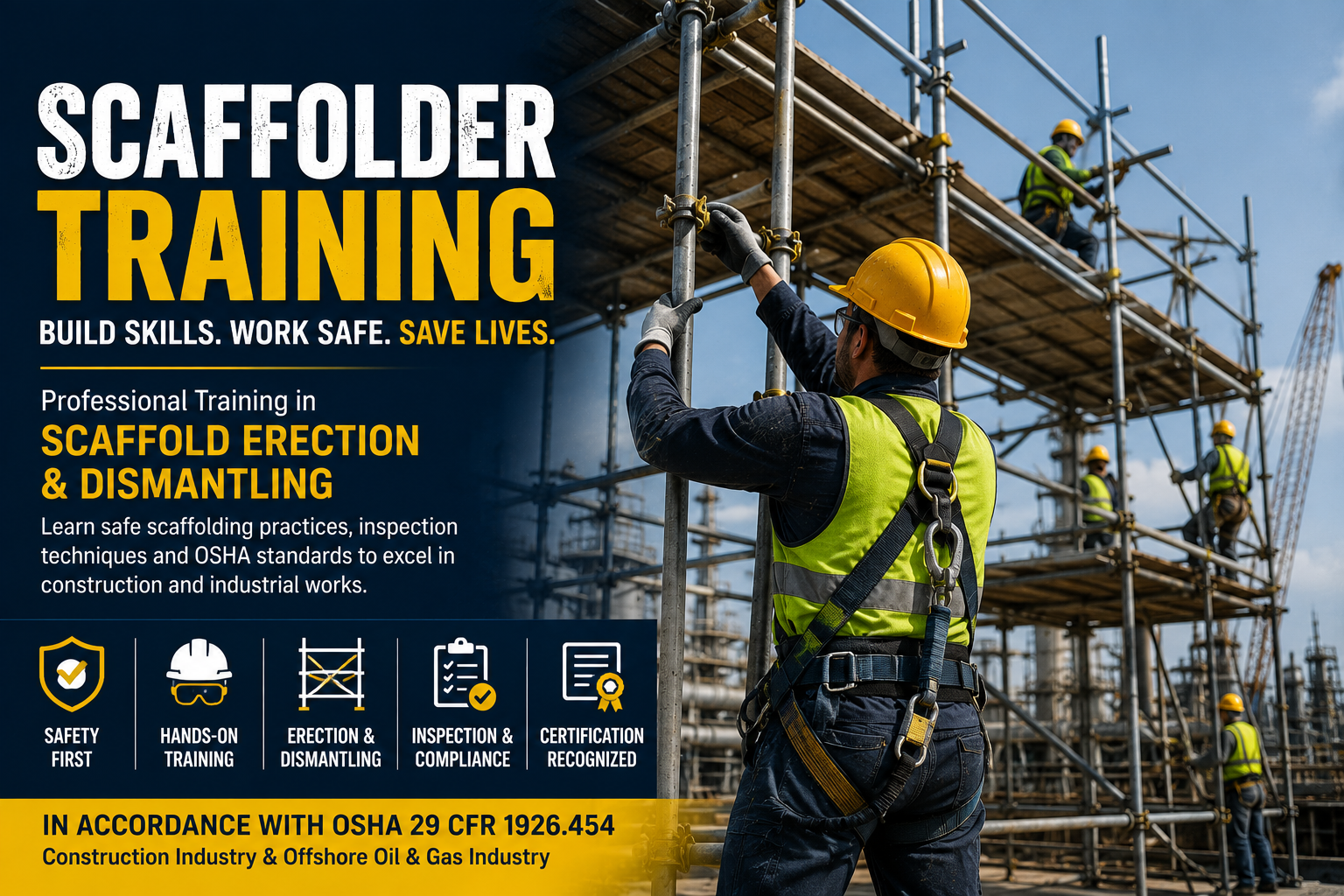
Why Scaffolder Training Is Essential for Safe Construction and Industrial Work
Why Scaffolder Training Is Essential for Safe Construction and Industrial Work - Key Insights & Details
Scaffolding plays a critical role in construction, offshore operations, industrial maintenance, and infrastructure projects. It provides workers with safe access to elevated work areas while supporting tools, equipment, and materials required to complete the job efficiently. However, when scaffolds are erected or dismantled incorrectly, the consequences can be serious, leading to falls, structural failures, and workplace injuries.
This is why professional scaffolder training is considered one of the most important safety requirements for workers involved in scaffold operations. Proper training helps individuals understand scaffold safety principles, assembly procedures, inspection requirements, and regulatory standards that contribute to safer workplaces.
Understanding Scaffolding in Modern Worksites
Scaffolding is a temporary structure used to support workers and materials during construction, maintenance, repair, and inspection activities. Today, scaffolding construction is widely used across industries including oil & gas, marine, shipbuilding, manufacturing, and commercial construction.
Examples of common scaffold systems include:
Frame scaffolds
Tube and clamp scaffolds
Suspended scaffolds
Mobile and roller scaffolding systems
Access towers with scaffold stairs
Each system is designed for specific applications and requires proper planning, assembly, and inspection before use.
The Importance of Professional Scaffolder Training
Working with scaffolds involves more than simply assembling metal components. Workers must understand load capacities, foundation requirements, anchorage methods, access systems, and fall protection measures.
A quality scaffolding course teaches participants how to:
Assemble scaffolds safely
Dismantle scaffold structures correctly
Identify hazards before work begins
Follow OSHA safety requirements
Conduct scaffold inspections
Calculate load limits
Use personal protective equipment properly
These skills help reduce workplace incidents while improving productivity and compliance.
Scaffold Safety and OSHA Requirements
One of the primary goals of scaffolding certification programs is to ensure workers understand industry regulations and safety standards.
OSHA 29 CFR 1926.454 requires employers to provide training for employees who work on scaffolds. The regulation focuses on hazard recognition, safe work practices, fall protection, load management, and scaffold use.
Proper training helps workers recognize common risks such as:
Overloading
Improper assembly
Unstable foundations
Missing guardrails
Defective components
Unsafe access methods
Understanding these hazards allows workers to take corrective action before incidents occur.
Why Scaffold Inspection Matters
Even a properly erected scaffold can become unsafe if it is not regularly inspected.
This is where scaffold inspection training becomes valuable. Workers learn how to identify defects, damaged components, loose connections, corrosion, and structural weaknesses that could affect scaffold stability.
Inspections should be carried out:
Before initial use
After modifications
Following severe weather conditions
At regular intervals during ongoing projects
Routine inspections help maintain safe working conditions and extend the service life of scaffold equipment.
Key Components of a Scaffolding System
A scaffold structure consists of multiple interconnected parts that work together to provide strength and stability.
One of the most important components is the coupler, which connects scaffold tubes and helps maintain the integrity of the structure. Proper installation and inspection of couplers are essential for scaffold safety.
Other important components include:
Standards
Ledgers
Transoms
Braces
Platforms
Base plates
Guardrails
Access ladders and stair systems
Workers must understand how each component functions within the overall structure.
Scaffolding in Building Construction
The use of scaffolding in building construction remains one of the most common applications of scaffold systems. From residential developments to large commercial projects, scaffolds provide safe access to work areas at various heights.
Construction workers rely on scaffolds for:
Masonry work
Painting
Structural repairs
Exterior finishing
Roofing activities
Maintenance projects
Without properly erected scaffolds, many construction tasks would be significantly more difficult and hazardous.
Rental Scaffolding and Equipment Availability
Many companies choose to rent scaffolding rather than purchase equipment outright, particularly for short-term projects. The availability of scaffolding on rent provides flexibility while reducing equipment ownership costs.
When using rented scaffold systems, organizations should ensure:
Equipment meets safety standards
Components are free from damage
Inspection records are available
Workers are trained on the specific system being used
Whether equipment is rented or owned, safety requirements remain the same.
Specialized Scaffold Systems
Modern worksites often require specialized scaffold solutions depending on project requirements.
Examples include:
Roller Scaffolding
Roller scaffolding allows workers to move platforms easily within work areas while maintaining stability and safe access.
Scaffold Stairs
Scaffold stairs provide safer access to elevated work platforms compared to traditional ladders, particularly on larger projects where workers frequently move between levels.
Scaffolding for Ladders
In certain applications, scaffolding for ladders can provide additional stability and safer working conditions when accessing elevated areas.
Selecting the appropriate scaffold system depends on the nature of the work, environmental conditions, and safety requirements.
Building a Career Through Scaffolding Certification
For individuals seeking opportunities in construction, offshore operations, industrial maintenance, and marine sectors, obtaining scaffolding certification can improve employability and workplace competence.
Professional training provides practical experience in:
Scaffold erection
Scaffold dismantling
Hazard identification
Safety compliance
Equipment inspection
Load management
These skills are highly valued across industries where working at height is a regular part of operations.
Conclusion
Scaffold safety begins with proper knowledge and practical experience. Whether involved in construction projects, offshore installations, industrial maintenance, or shipyard operations, workers responsible for scaffold erection and dismantling must understand safety procedures, inspection requirements, and regulatory standards.
Professional scaffolder training helps workers develop the skills needed to assemble, inspect, maintain, and dismantle scaffold systems safely and efficiently. Through proper training, regular inspections, and adherence to OSHA guidelines, organizations can create safer worksites while improving operational performance and reducing workplace risks.
This article is contributed by Elite Offshore Pvt Ltd, a provider of offshore, marine, oil & gas, and industrial safety training programs focused on developing skilled and safety-conscious professionals.
Created by

Elite Offshore Pvt Ltd
Elite Offshore Pvt Ltd, established 2015, headquartered in CBD Belapur, Navi Mumbai, is a renowned training institution specializing in safety and skill courses for the offshore and industrial sectors. With a commitment to excellence, Elite Offshore offers a wide range of courses designed to meet the specific needs of professionals working in challenging environments. These courses include BOSIET, HUET, HLO, HDA, OERTM, OERTL, and more, ensuring that individuals are equipped with the necessary knowledge and skills to excel in their roles. As a trusted name in the industry, Elite Offshore is known for its state-of-the-art facilities, experienced trainers, and adherence to international safety standards. Through their training programs, they aim to enhance safety, efficiency, and proficiency in offshore and industrial operations, contributing to the success and well-being of professionals and organizations alike. Learn more about Elite Offshore Pvt Ltd and their comprehensive training solutions at https://eliteoffshore.in. Elite Offshore Pvt Ltd was founded with a clear goal - to enhance safety standards and promote unmatched skills development in the offshore industry. Established in 2015, the institute quickly gained a reputation as a reliable partner for individuals and organizations seeking exceptional training programs. With a commitment to delivering top-quality training solutions, Elite Offshore has become a recognized name in providing complete safety and skill development programs for the industrial and offshore oil and gas sector. It's not just a training center but a hub of knowledge, safety, and professional growth.
Elite Offshore Pvt Ltd: Leading the Way in Safety and Skill Training
Founded with a vision to revolutionize safety and skill training in the offshore and industrial sectors, Elite Offshore Pvt Ltd stands tall as a beacon of excellence in CBD Belapur, Navi Mumbai. Established in 2015, Elite Offshore has rapidly emerged as a trusted name, delivering top-notch courses and certifications to professionals across various industries.
Inception and Growth:
Elite Offshore Pvt Ltd was born in 2015 from a passion for ensuring the utmost safety and efficiency in offshore and industrial operations. The founders envisioned a training institution that would not only impart essential skills but also instill a culture of safety consciousness among professionals.
In the early days, Elite Offshore started its journey with a modest team of highly skilled trainers and a commitment to providing cutting-edge training facilities. The institution quickly gained recognition for its hands-on approach, practical training modules, and adherence to international safety standards.
Courses Offered:
One of the key pillars of Elite Offshore's success is its diverse range of courses catering to the specific needs of the offshore and industrial sectors. The institution offers a comprehensive suite of training programs, including:
1. Basic Offshore Safety Induction and Emergency Training (BOSIET): Equipping professionals with essential survival skills and emergency response training for offshore environments.
2. Helicopter Underwater Escape Training (HUET): Providing the knowledge and techniques needed to escape safely from a submerged helicopter.
3. Helideck Assistant (HLO): Training individuals in the safe and efficient management of helideck operations.
4. Hazardous Area Classification (HDA): Understanding the classification and management of hazardous areas in industrial settings.
5. Offshore Emergency Response Team Member (OERTM): Developing the skills required to be part of an emergency response team in offshore installations.
6. Offshore Emergency Response Team Leader (OERTL): Training individuals to lead and coordinate emergency response efforts in offshore environments.
7. Liberia approved OIM, Barge Supervisor, Ballast Control Operator, Maintenance Supervisor.
and many more. Visit https://eliteoffshore.in for more details.
Excellence in Training:
What sets Elite Offshore apart is its unwavering commitment to excellence in training. The institution boasts state-of-the-art training facilities equipped with the latest technology and simulators. This allows participants to experience real-life scenarios in a controlled environment, enhancing their learning and preparedness.
Moreover, Elite Offshore's team of seasoned trainers brings a wealth of industry experience and expertise to the classroom. Their practical insights and hands-on approach ensure that participants not only grasp theoretical concepts but also develop the necessary skills to excel in their roles.
Industry Recognition and Achievements:
Over the years, Elite Offshore Pvt Ltd has garnered numerous accolades and certifications for its exceptional training standards. The institution is proud to be accredited by prestigious bodies such as IADC, Liberia Govt etc, ensuring that its courses meet the highest industry standards.
Elite Offshore has also forged strong partnerships with leading companies in the offshore and industrial sectors. These collaborations have enabled the institution to stay abreast of industry trends, emerging technologies, and evolving safety regulations.
Future Ambitions:
Looking ahead, Elite Offshore Pvt Ltd has ambitious plans to further expand its footprint in the realm of safety and skill training. The institution aims to:
1. Enhance Course Offerings: Continuously innovate and introduce new courses that address the evolving needs of the offshore and industrial sectors.
2. Global Expansion: Explore opportunities to establish training centers in key offshore hubs worldwide, catering to an international clientele.
3. Research and Development: Invest in research and development initiatives to develop advanced training methodologies and simulators.
4. Corporate Social Responsibility: Engage in meaningful CSR initiatives aimed at promoting safety awareness and skill development in local communities.
5. Industry Partnerships: Strengthen collaborations with industry leaders, academic institutions, and regulatory bodies to drive excellence in safety and skill training.
Conclusion:
In a world where safety and efficiency are paramount in offshore and industrial operations, Elite Offshore Pvt Ltd stands as a beacon of excellence. With its unwavering commitment to providing top-tier training, cutting-edge facilities, and a team of industry-leading trainers, the institution continues to shape the future of safety and skill development.
As Elite Offshore embarks on its journey towards greater heights, its mission remains clear: to empower professionals with the knowledge, skills, and confidence to navigate the challenges of the offshore and industrial sectors safely and effectively.
For more information about Elite Offshore Pvt Ltd and its range of courses, visit https://eliteoffshore.in or write to info@eliteoffshore.in or training@eliteoffshore.in.
Comments (0)
Search
Popular categories
OSHA & Industrial Safety Courses
19Liberia Approved Rig Courses
7Marine and Offshore
4Offshore Oil and Gas Rig Courses
3IADC Approved - E learning
2Port & Marine Courses
2Latest blogs
Why Scaffolder Training Is Essential for Safe Construction and Industrial Work
9 Hours Ago
Confined Space Entry: Essential Safety Practices Every Worker Should Know
10 Hours Ago
Offshore Installation Manager (OIM) Course: Building Offshore Leaders for Safe Operations
Tue, 26 May 2026
Write a public review