
Created by - Elite Offshore Pvt Ltd
Liberia approved Ballast Control Operator (BCO) and MOU Stability training by Elite Offshore Pvt Ltd
https://youtu.be/En5iuiSjhVgLiberia approved Ballast Control Operator (BCO) and MOU Stability trainingIn the offshore operations, safety and expertise are paramount. Recognising this need, Elite Offshore Pvt Ltd started conducting many safety and skill courses as per demand of the offshore industry. The courses include BOSIET, HUET, H2S, HLO, HLA, HDA, Offshore Crane Operator, HERTM, HERTL etc. These courses are a general requirement of the industry. Ballast Control Operator (BCO) and MOU Stability training by Liberia is a course meant for the marine crew of non-propelled barges. This course trains people on the requirements of Ballast operations to maintain stability during normal or emergency operations. The course is a requirement by IMO resolution A-28-Res.1079. This specialized program is tailored to equip individuals with the crucial skills and knowledge required for effective ballast management and the maintenance of stability in Mobile Offshore Units (MOUs). The course offers an in-depth exploration of ballast system operations, stability principles, and emergency response procedures. Through a blend of theoretical instruction and practical training, participants learn to manage ballast operations efficiently, ensuring the stability and safety of vessels in various offshore conditions. Topics covered include the dynamics of ballast water, the impact on vessel stability, and the application of stability software tools. the training program covers: 1. Ballast Control Operations: Participants dive deep into the intricacies of ballast control, learning about principles, techniques, and best practices for maintaining vessel stability. Topics covered include ballast system components, ballasting and de-ballasting procedures, and emergency response protocols. 2. MOU Stability: Understanding the stability of Mobile Offshore Units is crucial for safe and efficient offshore operations. The training delves into MOU stability principles, stability calculations, and stability criteria compliance, equipping participants with the knowledge to ensure stability in various operational scenarios. 3. Regulatory Compliance: Elite Offshore's training program aligns with Liberia's regulatory requirements, ensuring that participants receive instruction that meets international standards and industry expectations. This compliance underscores the program's credibility and relevance in the maritime sector. Advantages of Elite Offshore's BCO and MOU Stability training: - Industry Expertise: Elite Offshore boasts a team of experienced instructors with extensive maritime knowledge, providing participants with invaluable insights and practical guidance. - Hands-On Learning: The training incorporates hands-on exercises and simulations, allowing participants to apply theoretical concepts in real-world scenarios, enhancing understanding and skill proficiency. - Career Advancement: Completion of Elite Offshore's accredited training program opens doors to career advancement opportunities in the maritime industry, enabling professionals to excel in their roles and contribute to safe offshore operations. - Global Recognition: With Liberia's approval, the training program has international recognition that increases the participant's marketability in the global maritime job market. Elite Offshore's Ballast Control Operator (BCO) and MOU Stability training offer a comprehensive pathway for professionals seeking to enhance their expertise and advance their careers in the maritime sector. With Liberia's stamp of approval, participants can trust in Elite Offshore's commitment to delivering top-tier training that meets the highest industry standards. For any further information, please contact training@eliteoffshore.in or call +91-22-4970 4933 or +91-80 9747 2277. You may visit our website https://eliteoffshore.in (for all courses) or https://ecademy.eliteoffshore.in (for e-learning courses).
More detailsPublished - Sat, 08 Jun 2024
Created by - Elite Offshore Pvt Ltd
BOSIET & CA-EBS Safety Training Navi Mumbai | Elite Offshore Pvt Ltd
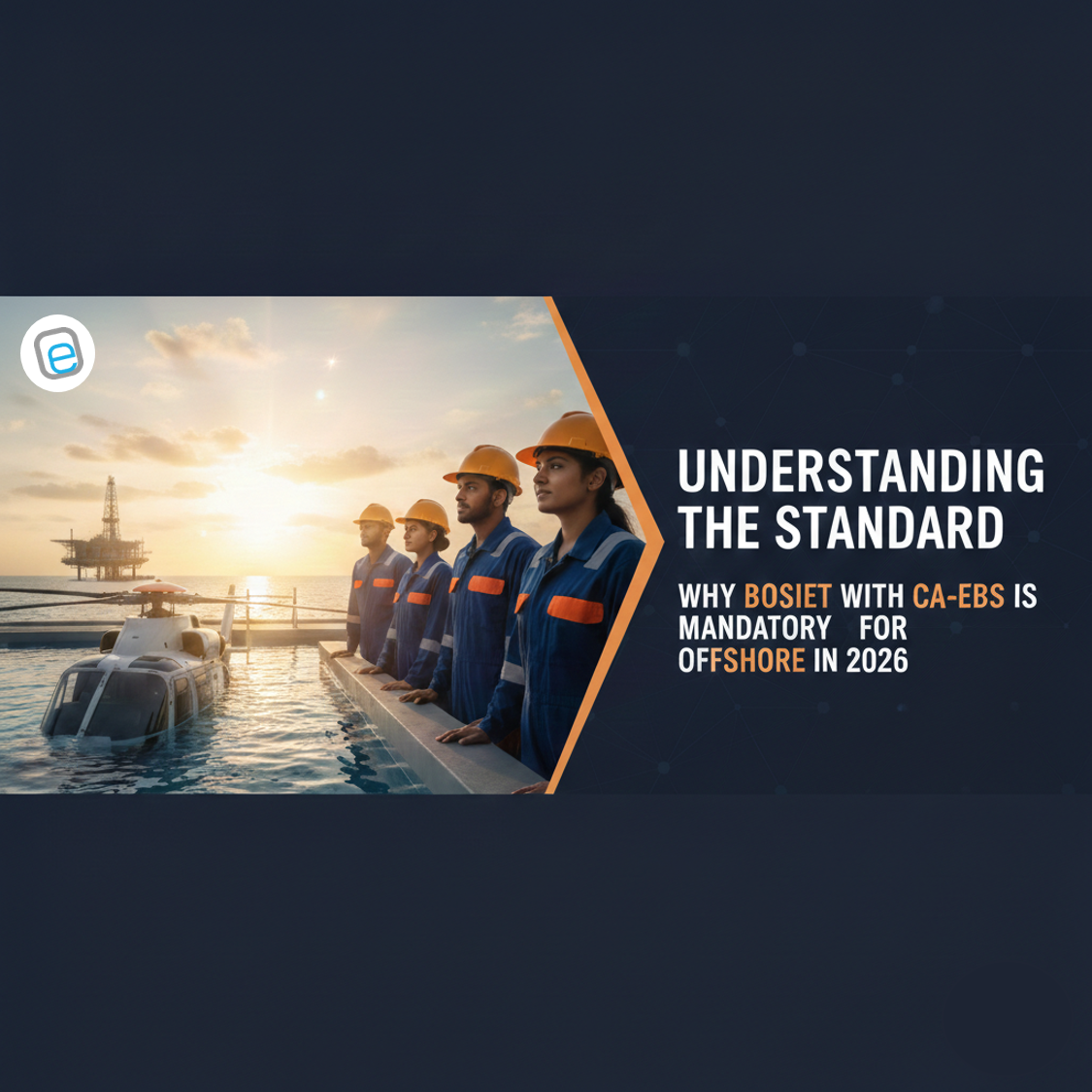
Understanding the Standard: Why BOSIET with CA-EBS is Mandatory for Offshore Careers in 2026If you are planning a career in the offshore oil and gas industry, you have likely come across the term BOSIET. As we move through 2026, the energy sector has adopted a "Zero Harm" policy, making comprehensive safety induction training the absolute baseline for employment.Whether you are an aspiring engineer or a seasoned technician, understanding the global standards for offshore survival is no longer a "plus"—it is a mandatory requirement to even board a crew change helicopter.What is the BOSIET Standard?The Basic Offshore Safety Induction and Emergency Training (BOSIET) is the industry’s gold standard for safety. It is designed to introduce new starters to the specific risks and emergency protocols of offshore installations.At Elite Offshore Pvt Ltd, we focus on preparing our students for these rigorous global expectations. A standard safety induction curriculum includes:Safety Induction: Identifying hazards, risk assessment, and safety management systems.Sea Survival and First Aid: Emergency first aid, life-raft procedures, and abandonment techniques.Firefighting and Self-Rescue: Using handheld extinguishers and escaping smoke-filled environments safely.Helicopter Survival: Critical protocols for offshore transit, including the HUET (Helicopter Underwater Escape Training).The 2026 Requirement: EBS vs. CA-EBSModern offshore operations now prioritize training with CA-EBS (Compressed Air Emergency Breathing System). Unlike traditional EBS re-breathers, CA-EBS provides a reliable, pressurized air supply that can be deployed instantly, even in cold water.At Elite Offshore, we maintain facilities for both Standard EBS and CA-EBS technology. This ensures our students are familiar with the specific equipment used by different vessel operators and regional authorities worldwide.Why Train at our Navi Mumbai Facility?Located in CBD Belapur, Navi Mumbai, Elite Offshore Pvt Ltd serves as a strategic hub for maritime and offshore aspirants.Practical Simulation: We believe in "learning by doing." Our facilities are designed to mimic the high-pressure environments of the offshore world.Expert Mentorship: Our team consists of industry veterans who provide real-world context to safety theory.Field-Readiness: We don't just teach the curriculum; we prepare you for the mindset required to work in one of the world’s most challenging environments.Ready to Become "Field-Ready"?Don't let a lack of certification stand between you and your offshore career. Join the hundreds of professionals who have started their journey at our Navi Mumbai institute.Website: https://eliteoffshore.in/home/Contact Us: Call us at +91-80-9747-2277 Visit Us: CBD Belapur, Navi MumbaiElite Offshore Pvt Ltd: Training the force that keeps the world moving.
More detailsPublished - Tue, 10 Feb 2026

Created by - Elite Offshore Pvt Ltd
Shoulder Breadth Measurement Training
Why Shoulder Breadth Measurement Training Matters for Offshore SafetyIn offshore operations, safety is never just a checklist—it’s a combination of preparation, precision, and understanding the smallest details that can make a big difference. One such critical detail, often overlooked outside the industry, is shoulder breadth measurement. For professionals who travel to offshore installations by helicopter, this measurement can directly impact evacuation safety and seating compatibility.At Elite Offshore Pvt Ltd, training programs are designed around real-world offshore challenges. The Shoulder Breadth Measurement Training is one such specialized program developed to ensure that personnel meet essential safety requirements before stepping onto a helicopter bound for offshore platforms.Understanding Shoulder Breadth in Offshore ContextShoulder breadth is not just a physical measurement—it is a safety parameter. In emergency situations, especially helicopter evacuations, the ability to exit through restricted spaces quickly can save lives.The measurement focuses on the width across the deltoid muscles. Based on this:Individuals with a shoulder width greater than 55.9 cm (22 inches) are classified as XBR (Extra Broad)Those with 55.9 cm or less fall under the regular categoryThis classification plays a key role in helicopter seating arrangements. While at least 30% of seats on most helicopters are designed for XBR individuals, availability varies depending on the aircraft type. Proper classification ensures that personnel are assigned appropriate seating, reducing risk during transit and emergency evacuation.Why This Training Is EssentialFor offshore workers, especially in oil & gas operations, helicopter transport is routine. However, without proper measurement and classification, risks can increase during emergency scenarios.This training ensures that:Measurements are accurate and consistentPersonnel are correctly classifiedSafety protocols align with industry regulationsThe course follows EASA (European Aviation Safety Agency) and Oil and Gas UK Medical Guidelines, making it relevant and compliant with international offshore safety standards.What the Training CoversThe program combines theory with hands-on practice to ensure participants gain both knowledge and practical skills. Key areas include:1. Introduction & PurposeParticipants understand why shoulder measurement is critical in offshore and aviation safety.2. Basic AnthropometryA foundation in body measurement techniques, focusing on accuracy and standardization.3. Offshore & Aviation Safety ContextHow shoulder breadth impacts helicopter travel, seating, and emergency evacuation.4. Measurement EquipmentUse of tools such as:Anthropometric calipersMeasuring tapes5. Standard Measurement ProceduresTraining includes:Biacromial measurement (shoulder bone width)Bideltoid measurement (muscle width)6. Accuracy & Error PreventionReducing human error through correct positioning and repeatable methods.7. Data Recording & DocumentationSystematic recording to maintain compliance and traceability.8. Acceptance Criteria & LimitsUnderstanding classification thresholds, including XBR criteria.9. Practical Hands-on SessionReal-time measurement practice to build confidence and accuracy.How the Training Is DeliveredElite Offshore Pvt Ltd ensures that learning is practical and relevant. The training is conducted:Duration: 01:00:00 HoursMode: Offline or Client SiteThe short duration makes it easy for companies to integrate this training into their safety programs without disrupting operations.Real-World Importance for Offshore ProfessionalsFor safety officers, supervisors, and offshore workers, this training is more than just a requirement—it’s a responsibility.Accurate shoulder measurement:Supports safe helicopter seating allocationImproves emergency evacuation readinessEnsures compliance with international standardsReduces risk in confined exit scenariosIn high-risk environments like offshore platforms, even a small miscalculation can have serious consequences. This is why trained personnel who can perform these measurements correctly are highly valuable.Why Choose Elite Offshore Pvt LtdElite Offshore Pvt Ltd has built its reputation by focusing on industry-specific training that meets real operational needs. Their programs are:Delivered by experienced industry instructorsAligned with global safety standardsDesigned with practical application in mindThe Shoulder Breadth Measurement Training reflects this approach—focused, precise, and directly applicable to offshore operations.Final ThoughtsSafety in offshore environments depends on preparation at every level. Shoulder breadth measurement may seem like a minor detail, but in critical moments, it becomes a key factor in ensuring safe evacuation and compliance.For organizations and professionals involved in offshore travel, investing in proper training is not optional—it’s essential. This course ensures that measurements are done right, classifications are accurate, and safety standards are maintained without compromise.If your team regularly travels offshore by helicopter, this training is a smart and necessary addition to your safety program.
More detailsPublished - Fri, 03 Apr 2026
Created by - Elite Offshore Pvt Ltd
H2S Course: Why Hydrogen Sulphide Safety Training is Essential for High-Risk Workplaces
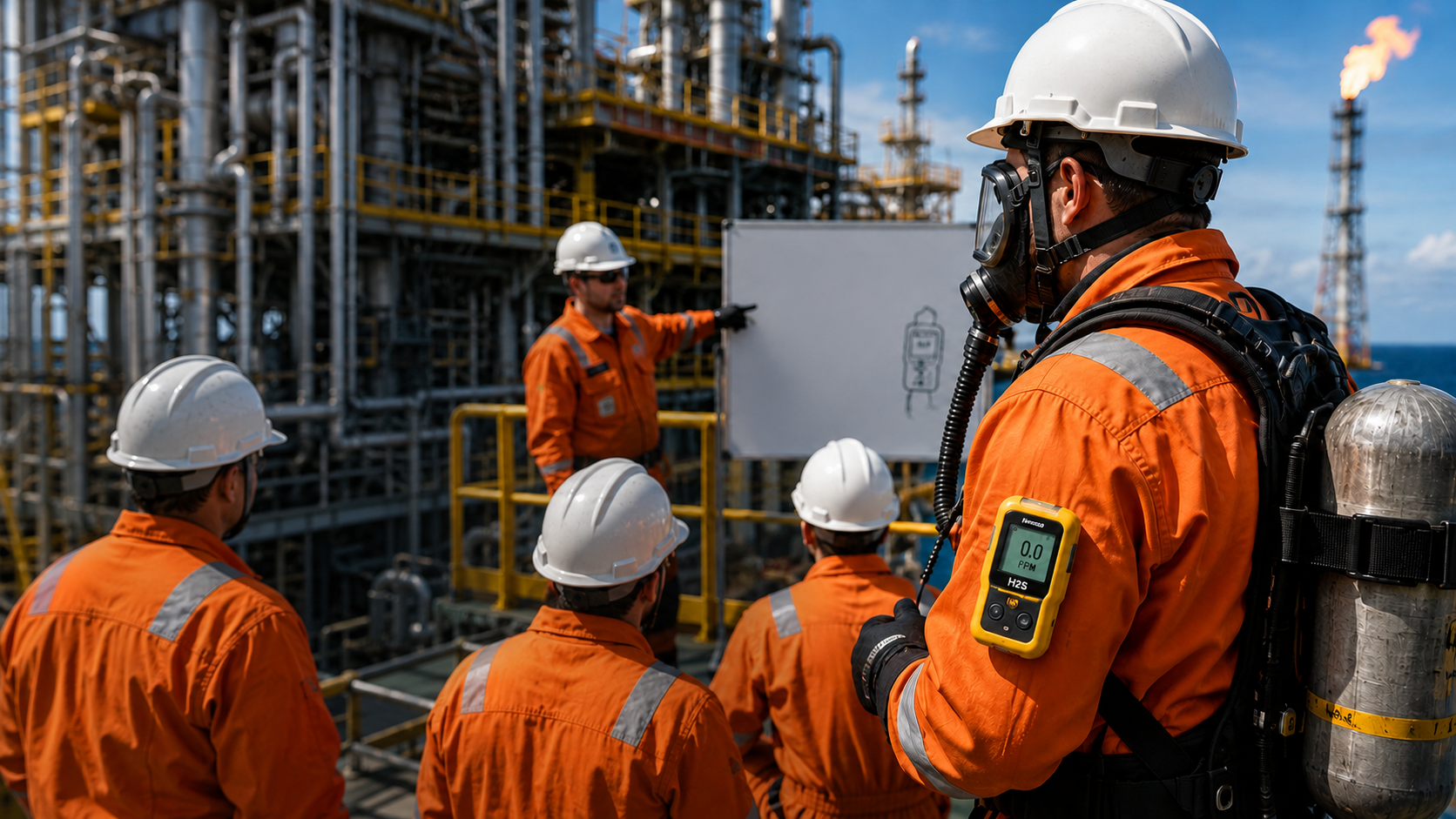
Hydrogen sulphide (H2S) is one of the most dangerous gases encountered in industrial operations. It is colourless, highly toxic, and can become life-threatening within seconds if workers are unprepared. Found in oil and gas production, refineries, petrochemical plants, wastewater treatment facilities, and confined spaces, H2S demands more than awareness—it requires practical training and disciplined safety practices.At Elite Offshore Pvt. Ltd., the H2S Course is designed to prepare participants to recognise hazards, use H2S detection devices correctly, wear personal protective equipment (PPE), operate respiratory protection such as SCBA and Escape Breathing Apparatus (EBA/ELSA), and respond effectively during emergencies. The programme combines classroom instruction with realistic practical exercises aligned with recognised industry expectations, including OSHA and ANSI guidance.What is Hydrogen Sulphide (H2S)?Hydrogen sulphide (H2S) is a naturally occurring gas generated by the decomposition of organic material and by industrial processes. Because it is heavier than air, it can accumulate in pits, tanks, trenches and other low-lying or confined areas. Workers cannot rely on smell because high concentrations quickly deaden the sense of smell.Why is H2S Dangerous?The major H2S gas hazards include eye and respiratory irritation, dizziness, unconsciousness and death at high concentrations. Safe operations depend on understanding H2S properties, following occupational exposure limits (OEL), monitoring the atmosphere continuously and acting immediately when alarms activate.Why an H2S Course Matters?In real workplaces, emergencies rarely provide time to read procedures. Workers must know exactly how to react. Quality H2S safety training teaches hazard recognition, gas monitoring, emergency evacuation, communication, and first aid while building confidence through practical drills. What You Learn• H2S properties and behaviour• Sources of hydrogen sulphide gas• H2S detection using portable and fixed monitors• Understanding H2S alarms and response• Occupational exposure limits (OEL)• Correct selection and use of personal protective equipment (PPE)• Respiratory protection using SCBA, ELSA and Escape Breathing Apparatus (EBA)• Pre-use equipment checks• H2S emergency response and evacuation• Basic first aid and rescue awarenessIndustries that Need H2S TrainingOil and gas exploration, offshore drilling, refineries, petrochemical plants, chemical processing, wastewater treatment, marine maintenance, confined space operations, and pipeline maintenance all benefit from trained personnel. H2S awareness is a critical part of workplace gas safety.Benefits of H2S Gas CertificationCompleting a recognised hydrogen sulphide course demonstrates that an individual understands hazard identification, emergency procedures, respiratory protection, and safe working practices. Employers value trained personnel because they contribute to safer operations and a stronger safety culture. Why Choose Elite OffshoreElite Offshore has built a reputation for delivering practical offshore and industrial safety training. Experienced instructors, modern equipment, and industry-focused exercises ensure participants gain knowledge they can apply immediately at work rather than simply completing a classroom requirement.Frequently Asked Questions1.What is an H2S Course?An H2S Course teaches workers how to identify hydrogen sulphide hazards, use gas detectors, wear protective equipment and respond safely during emergencies.2.Who should attend?Anyone working in oil and gas, offshore operations, refineries, petrochemical facilities, wastewater treatment or confined spaces where H2S may be present.3.Does the course include practical training?Yes. Participants receive practical instruction on H2S detection devices, SCBA, ELSA, emergency evacuation and equipment checks.4.Why is H2S detection important?Because hydrogen sulphide cannot be detected reliably by smell at dangerous concentrations. Gas detectors provide early warning and help prevent exposure.ConclusionEvery worker entering a potentially hazardous environment should understand the risks associated with hydrogen sulphide. A professionally delivered H2S Course provides the practical knowledge and confidence needed to recognise hazards, respond quickly, and protect lives. By combining theory with hands-on exercises, Elite Offshore helps organisations strengthen workplace gas safety and prepare their workforce for real-world situations.
More detailsPublished - Thu, 02 Jul 2026
Created by - Elite Offshore Pvt Ltd
Helicopter Underwater Escape Training (HUET): Why Every Offshore Professional Needs It?
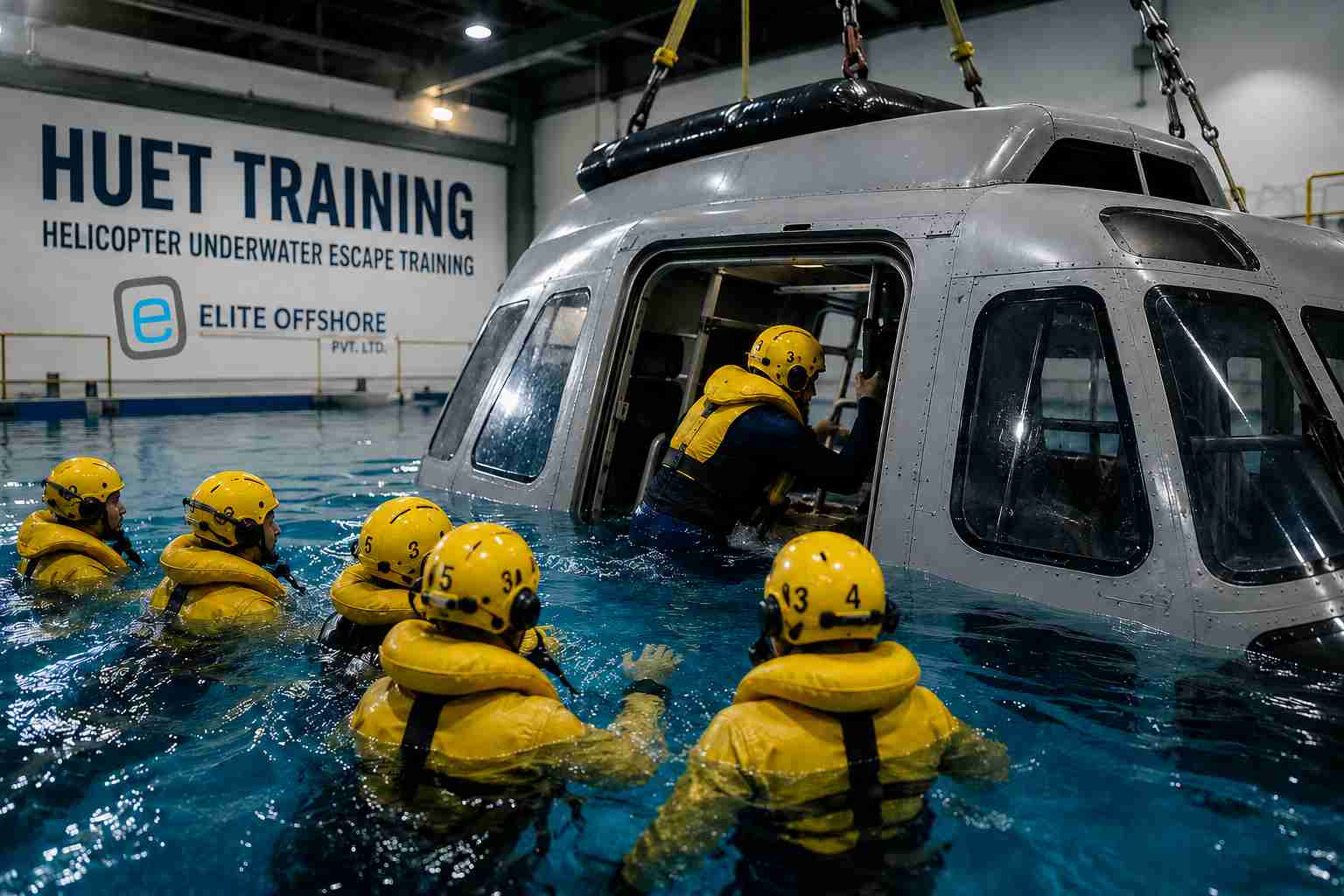
Working in the offshore oil and gas industry comes with unique challenges, and one of the most critical is travelling by helicopter to offshore installations. Although helicopter transportation is one of the safest methods of reaching offshore platforms, every offshore professional must be prepared for emergency situations. This is exactly why Helicopter Underwater Escape Training (HUET) has become an essential safety requirement for offshore personnel across the world.At Elite Offshore Pvt Ltd, the Helicopter Underwater Escape Training (HUET) course prepares participants with the practical skills, confidence, and emergency response techniques required to survive a helicopter ditching at sea. The course combines classroom learning with realistic underwater simulations so that participants know exactly what to do if an emergency occurs. The training follows publicly available offshore oil and gas industry guidelines and focuses on practical competence for helicopter travel.What is Helicopter Underwater Escape Training (HUET)?Helicopter Underwater Escape Training is a specialised safety programme developed for personnel travelling to offshore oil and gas installations and vessels by helicopter. The course prepares learners for both pre-flight and in-flight safety procedures while teaching the emergency actions required if a helicopter makes an emergency landing or ditches into the sea.The primary objective of HUET training is to ensure that every participant can safely evacuate a submerged helicopter, use emergency breathing equipment correctly, assist fellow passengers when possible, and reach a life raft safely during an emergency.Why HUET Training Is Mandatory for Offshore PersonnelA helicopter emergency over water is rare, but when it happens, passengers have only a few moments to react. Panic and lack of preparation can make the situation far more dangerous.This is why many offshore operators require employees and contractors to complete a recognised HUET course before travelling offshore. The practical exercises provide valuable experience that cannot be gained through classroom learning alone.The training is suitable for:Offshore oil and gas professionalsDrilling personnelOffshore engineersMarine crewPlatform maintenance teamsOffshore supervisorsContractors travelling by helicopterPersonnel joining offshore vessels or installations by airWhat You Learn During Helicopter Underwater Escape TrainingElite Offshore Pvt Ltd delivers practical helicopter underwater training using realistic simulation equipment that closely represents offshore emergency situations.Participants learn how to:Prepare before helicopter boardingWear aviation transit suits and lifejackets correctlyPerform Emergency Breathing System (EBS) checksUnderstand helicopter safety procedures before take-offRespond correctly during an emergency landingEscape safely from a partially submerged helicopterEscape from a fully capsized helicopter underwaterUse Emergency Breathing Systems during evacuationExit through underwater windowsReach and board an aviation life raftSupport other passengers after evacuationEvery exercise helps participants build confidence while improving their emergency decision-making skills.Practical Helicopter Escape Training Makes the DifferenceReading emergency procedures is helpful, but practical experience creates muscle memory.During helicopter escape training, participants enter a specialised training simulator that recreates realistic offshore helicopter ditching conditions. They practise locating exits underwater, maintaining orientation after inversion, controlling breathing, and following the safest escape route.This realistic approach helps reduce panic and improves reaction time during an actual emergency.Understanding Underwater Escape TrainingMany people underestimate how quickly conditions can change after a helicopter enters the water.Good underwater escape training teaches participants how to:Stay calm underwaterWait for helicopter movement to stopIdentify emergency exitsMaintain reference pointsRelease the seatbelt correctlyExit in an organised mannerSurface safelyAssist others whenever possibleThese practical skills are invaluable for offshore personnel travelling regularly by helicopter.What is HUET CA-EBS?Many offshore operators now require personnel to understand HUET CA-EBS procedures.CA-EBS (Compressed Air Emergency Breathing System) provides additional breathing time during underwater evacuation. Participants learn how to inspect the equipment, deploy it correctly, breathe safely underwater, and use it throughout the helicopter escape sequence where applicable.Helicopter Egress Training Builds ConfidenceAnother important part of the programme is helicopter egress training.This practical exercise focuses on:Controlled exitsWindow operationEscape sequencePassenger coordinationEmergency communicationSafe evacuation techniquesRepeated practice helps participants react confidently during stressful situations.Is OPITO HUET Important?Many offshore employers specifically request OPITO HUET or equivalent recognised offshore safety training depending on project and operator requirements.Before joining any offshore assignment, candidates should always confirm the exact certification required by their employer or client.HUET Training CertificateAfter successfully completing the programme, participants receive a HUET training certificate in accordance with the applicable course requirements. This certificate demonstrates that the learner has successfully completed both the theoretical and practical components of the training.HUET Course Fees and Training CostOne of the common online searches is HUET course fees or Helicopter Underwater Escape Training cost.Training fees can vary depending on the training provider, approval requirements, facilities, equipment, and course structure. Instead of choosing a course based only on price, professionals should consider the quality of practical exercises, instructor experience, and industry recognition.For the latest fee details, candidates should contact Elite Offshore Pvt Ltd directly through the official course page.Looking for HUET Training Near Me?If you are searching online for HUET training near me, Elite Offshore Pvt Ltd offers professional offshore safety training from its modern training centre in CBD Belapur, Navi Mumbai. The institute has been providing offshore, marine, and industrial safety programmes since 2015, serving learners from India and overseas.HUET Training LocationsWhen selecting HUET training locations, consider:Practical training facilitiesExperienced instructorsEmergency simulation equipmentIndustry-focused curriculumRecognition by offshore employersSafety standards followed by the training providerChoosing a reputable institute helps ensure that your training prepares you for real offshore situations.Why Choose Elite Offshore Pvt Ltd?Elite Offshore Pvt Ltd has built a strong reputation for delivering offshore, marine, industrial, and oil & gas safety training. The organisation offers more than 200 specialised courses covering offshore operations, emergency response, industrial safety, marine compliance, and professional competency development. The training combines classroom instruction with practical exercises so learners are ready for workplace challenges.The Helicopter Underwater Escape Training (HUET) course includes:Practical underwater evacuation exercisesRealistic helicopter simulator trainingEmergency Breathing System practiceExperienced trainersIndustry-focused curriculumModern training facilitiesCertificate upon successful completionFrequently Asked QuestionsWho should attend a HUET course?Anyone travelling to offshore oil and gas installations, offshore vessels, drilling units, or marine facilities by helicopter should complete a recognised HUET course.Is helicopter underwater escape training difficult?The exercises are practical and supervised by experienced instructors. Participants are guided through every stage to build confidence safely.How long is HUET training?The course at Elite Offshore Pvt Ltd is conducted over approximately 8 hours, combining theory and practical sessions.Is helicopter underwater training practical?Yes. Practical simulation is the core part of the programme and prepares participants for realistic offshore emergencies.Build Confidence Before Your Next Offshore FlightTravelling offshore by helicopter demands more than technical knowledge—it requires the ability to respond calmly during an emergency. Helicopter Underwater Escape Training (HUET) provides the practical skills needed to handle a helicopter ditching, use emergency breathing equipment, evacuate safely, and support fellow passengers.Whether you are starting an offshore career or preparing for your next assignment, completing HUET training at Elite Offshore Pvt Ltd is a valuable step toward safer offshore operations.Ready to join the course?Visit the course page to view the latest schedule and training details:https://eliteoffshore.in/home/course/helicopter-underwater-escape-training-huet/114
More detailsPublished - Sat, 25 Jul 2026

Created by - Elite Offshore Pvt Ltd
Scaffolding Supervisor Course: Build a Safer Future with Professional Training
Construction, offshore, and industrial projects rely on safe working practices to protect people, equipment, and productivity. One of the most important roles in maintaining these standards is that of a Scaffolding Supervisor. From planning scaffold structures to supervising teams and ensuring compliance with safety regulations, a qualified supervisor plays a vital role in every successful project.If you are looking to advance your career in the construction or offshore industry, enrolling in a Scaffolding Supervisor Course can help you gain the practical knowledge, leadership skills, and technical expertise required by employers worldwide.At Elite Offshore Pvt Ltd, we provide industry-focused training designed to prepare professionals for real workplace challenges while meeting international safety expectations.What Does a Scaffolding Supervisor Do?A Scaffolding Supervisor is responsible for overseeing every stage of scaffold operations, including planning, erection, inspection, modification, maintenance, and dismantling. Their primary responsibility is to ensure that scaffolding systems are installed safely and correctly while protecting workers on site.A supervisor also coordinates with project managers, engineers, safety officers, and scaffold teams to ensure projects remain on schedule without compromising worker safety.Daily responsibilities include:Supervising scaffold erection and dismantlingConducting scaffold inspectionsManaging scaffold teamsEnsuring compliance with OSHA and company proceduresMonitoring scaffold load capacitiesPlanning scaffold material requirementsMaintaining safety documentationLeading toolbox talks and safety briefingsIdentifying workplace hazards before work beginsBecause of these responsibilities, trained supervisors are highly valued across construction, oil & gas, petrochemical, marine, shipyard, refinery, and infrastructure projects.Why Professional Scaffolding Supervisor Training MattersMany scaffold-related incidents occur because of poor planning, inadequate supervision, or insufficient knowledge of safety procedures.A professional Scaffolding Supervisor Training program helps participants understand:Hazard identificationScaffold planningSafe work proceduresTeam supervisionRisk assessmentInspection techniquesEmergency responseRegulatory complianceProper Scaffolding Supervisor Training Course provide both theoretical understanding and practical application, helping participants confidently manage scaffold operations in demanding work environments.Scaffolding Supervisor Course at Elite Offshore Pvt LtdThe Scaffolding Supervisor Course offered by Elite Offshore Pvt Ltd is designed for individuals who want to build competence in scaffold supervision or improve their existing knowledge.Whether you are an experienced scaffolder, a Foreman Scaffolder, or someone preparing for supervisory responsibilities, this course develops the skills employers expect.The program combines classroom learning with practical exercises to create a balanced learning experience.Participants learn how to:Plan scaffold operationsSupervise scaffold teamsConduct scaffold inspectionsCalculate scaffold requirementsManage work permitsControl workplace risksEnsure safe scaffold accessMonitor scaffold stabilityCommunicate effectively with project teamsThis practical approach prepares candidates to perform confidently on construction and industrial sites.OSHA Training Requirements for Scaffold WorkThe course is aligned with OSHA training requirements for scaffold safety, ensuring participants understand internationally accepted safe work practices.General Scaffold TrainingEvery employee working on scaffolds must receive training from a qualified person to recognize hazards associated with the scaffold being used.Training includes:Electrical hazardsFall hazardsFalling object hazardsSafe scaffold useMaterial handlingLoad capacitiesFall protection systemsScaffold Erection, Dismantling and MaintenancePersonnel responsible for erecting, dismantling, repairing, inspecting, or maintaining scaffolds require additional instruction from a competent person.Topics include:Scaffold hazard recognitionSafe erection proceduresSafe dismantling proceduresScaffold inspection methodsProper repair techniquesLoad calculationsDesign criteriaIntended scaffold useRetraining RequirementsOSHA also requires retraining whenever:New hazards are introducedScaffold equipment changesWorksite conditions changeEmployee performance indicates insufficient knowledgeRegular refresher training ensures workers continue following safe procedures throughout their careers.Practical Skills You Will LearnThe course focuses on workplace skills that can be applied immediately.Participants learn how to:Read scaffold drawingsPlan scaffold layoutsEstimate scaffold materialsAllocate manpowerSupervise scaffold erectionInspect completed scaffoldsConduct safety briefingsComplete scaffold documentationCoordinate with site managementMaintain compliance with safety regulationsThese practical skills are essential for professionals responsible for managing scaffold operations.Understanding Scaffold Safety TrainingEffective Scaffold Safety Training goes beyond assembling scaffold components.Participants develop an understanding of:Safe access routesScaffold tagging systemsPersonal protective equipmentFall preventionScaffold stabilitySafe working loadsEmergency proceduresWeather-related precautionsProper training reduces incidents while improving productivity on site.Importance of Scaffold ManagementSuccessful projects depend on efficient Scaffold Management.A supervisor must carefully organize scaffold materials, schedule inspections, coordinate workforce activities, and maintain communication between departments.Good scaffold management helps:Reduce delaysImprove worker safetyMinimize equipment damageControl project costsIncrease productivityImprove complianceEmployers value supervisors who can balance operational efficiency with safety requirements.Meeting Construction Safety StandardsEvery construction project must follow established Construction Safety Standards.Scaffolding supervisors help organizations comply with these standards by:Conducting routine inspectionsEnsuring safe scaffold designVerifying load capacitiesMonitoring worker practicesMaintaining documentationReporting hazards immediatelyFollowing recognized safety standards creates a safer workplace and supports successful project completion.The Value of Safety Compliance TrainingModern construction companies invest heavily in Safety Compliance Training because safety directly affects productivity, legal compliance, and workforce wellbeing.A trained scaffolding supervisor understands how to:Apply company safety proceduresFollow OSHA guidelinesConduct risk assessmentsLead safety meetingsPromote safe work cultureThese leadership skills contribute to fewer incidents and stronger project performance.Who Should Attend This Course?This course is suitable for:Experienced scaffoldersForeman ScaffoldersSite supervisorsConstruction professionalsOffshore workersIndustrial maintenance personnelMarine professionalsSafety officersAnyone seeking supervisory responsibilities in scaffold operationsEven professionals involved in Construction Supervisor Training can benefit from the scaffold-specific knowledge provided in this program.Scaffolding Certification That Employers ValueProfessional Scaffolding Certification demonstrates that an individual possesses the knowledge and practical understanding required to supervise scaffold operations safely.A recognized Scaffolding Supervisor Certificate can strengthen your professional profile and improve employment opportunities across construction, offshore, marine, and industrial sectors.Many international employers prefer candidates who have completed structured scaffold supervision training.International Industry ExpectationsMany multinational companies operate according to globally recognized scaffold safety practices.Professionals often search for programs similar to a CISRS Scaffolding Supervisor Course or training aligned with client requirements such as the Saudi Aramco Scaffolding Supervisor Course.While project-specific requirements vary, building a strong foundation in scaffold supervision, hazard recognition, inspection techniques, and safety compliance prepares candidates to work confidently across international projects.Career Opportunities After TrainingQualified scaffolding supervisors are required across many industries, including:Oil & GasOffshore platformsShipyardsMarine engineeringPetrochemical plantsRefineriesPower plantsInfrastructure projectsCommercial constructionIndustrial maintenanceAs infrastructure development continues worldwide, experienced supervisors remain in demand.Why Choose Elite Offshore Pvt Ltd?Elite Offshore Pvt Ltd has built a strong reputation for delivering practical, industry-focused training for offshore, marine, and industrial professionals.Training is designed to prepare participants for real working environments through experienced instructors, practical demonstrations, and internationally aligned safety practices.Students benefit from:Experienced trainersPractical learning sessionsIndustry-relevant curriculumOSHA-based scaffold training conceptsModern training facilitiesProfessional guidanceCareer-focused skill developmentIf you are looking for quality Offshore Courses along with specialized scaffold supervision training, Elite Offshore provides programs that support long-term professional growth.Frequently Asked QuestionsWhat is a Scaffolding Supervisor?A Scaffolding Supervisor plans, supervises, inspects, and manages scaffold work while ensuring compliance with workplace safety regulations.Who should take a Scaffolding Supervisor Course?Experienced scaffolders, foremen, construction professionals, offshore workers, safety officers, and individuals preparing for supervisory roles.What will I learn during the course?Participants learn scaffold planning, inspection, hazard identification, team supervision, scaffold safety procedures, OSHA requirements, documentation, and load management.Is practical training included?Yes. The course combines classroom instruction with practical exercises to help participants apply their knowledge in real work situations.Why is scaffolding certification important?Professional scaffolding certification demonstrates competency, improves workplace safety, and strengthens career opportunities across construction, offshore, marine, and industrial sectors.Build Your Future in Scaffold SupervisionA knowledgeable Scaffolding Supervisor is essential for maintaining safe and efficient scaffold operations. Strong technical knowledge, practical experience, and leadership skills help reduce workplace risks while supporting successful project execution.The Scaffolding Supervisor Course at Elite Offshore Pvt Ltd is designed to prepare professionals with the skills needed to supervise scaffold activities confidently and responsibly. Whether your goal is career advancement, improved technical knowledge, or stronger safety awareness, this training provides the foundation required for success in today's construction and offshore industries.Learn more about the course: https://eliteoffshore.in/home/course/scaffolding-supervisor/81 Visit Elite Offshore Pvt Ltd: https://eliteoffshore.in/
More detailsPublished - Mon, 27 Jul 2026
Created by - Elite Offshore Pvt Ltd
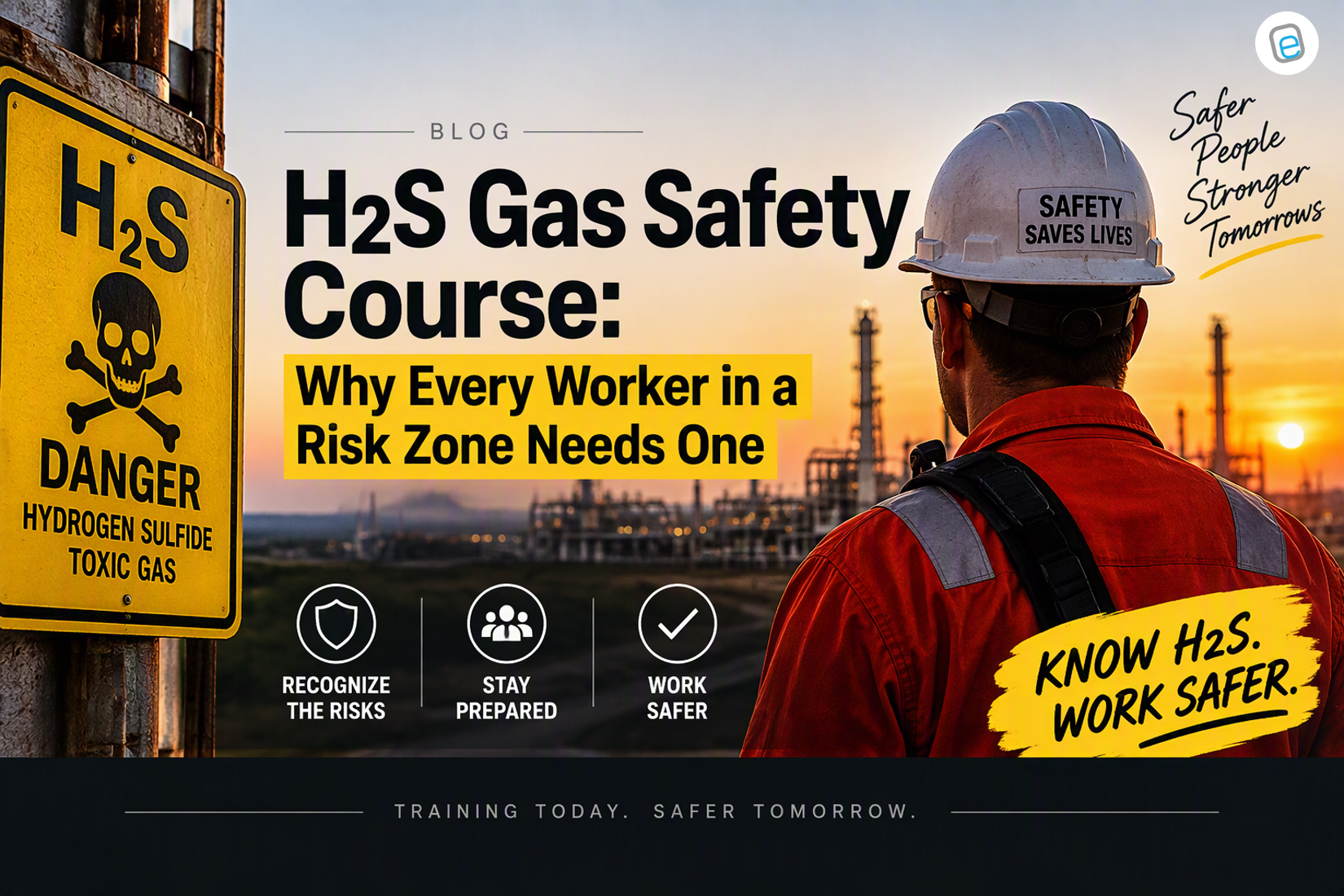
H2S Gas Safety Course: Why Every Worker in a Risk Zone Needs One
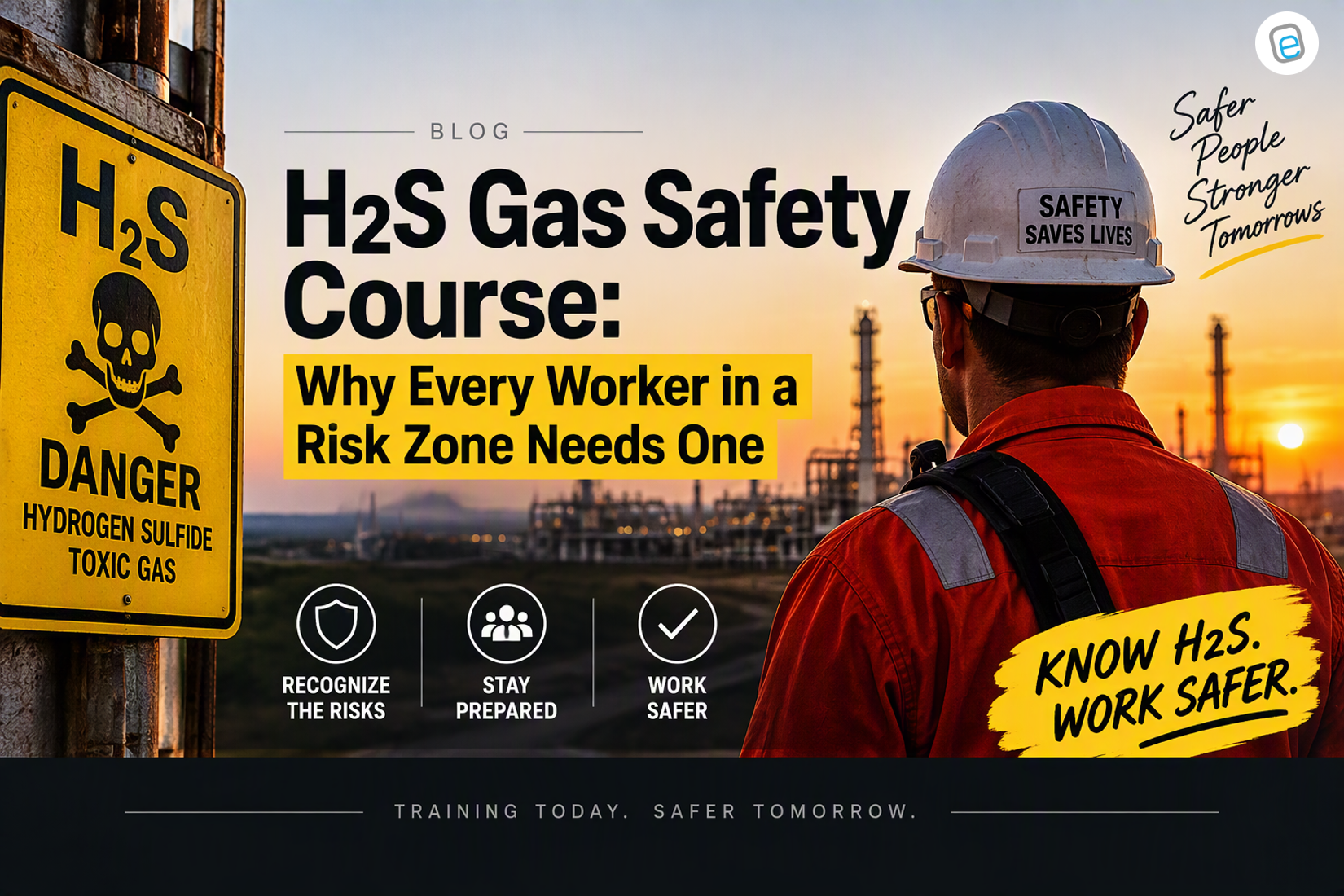
You Can't See It, and Soon You Can't Smell It EitherAsk anyone who has worked on a rig, in a refinery or around a sewer line about hydrogen sulphide, and you'll usually get a quiet pause before the answer. H2S is one of those hazards that people in the industry respect, because it doesn't give you much of a warning.At low levels, it smells like rotten eggs. That sounds like a built-in alarm, but it isn't. At higher concentrations, the gas dulls your sense of smell, so the odour seems to disappear just when the danger is rising. People have walked deeper into a space thinking "the smell is gone, so it must be fine." It's one of the most dangerous misunderstandings in industrial safety.That is why a proper H2S gas safety course isn't a box to tick. It is training that teaches you to trust your equipment and your procedures instead of your nose.What Exactly Is Hydrogen Sulphide?Hydrogen sulphide (H2S) is a colourless, toxic and flammable gas. It forms when organic material breaks down without oxygen, and it also occurs naturally in crude oil and natural gas. That is why you'll find it in: Offshore platforms and drilling rigs Land rigs and oilfields Refineries and petrochemical plants Wastewater and sewage treatment plants Drains, manholes, tanks and confined spaces It's also heavier than air. So it doesn't float away. It settles in low-lying areas, pits, tanks and enclosed spaces, which are exactly the places workers are sent to inspect or clean.You may also hear it called sewer gas, stink damp or sour gas. Different names, same hazard.Why H2S Training Matters So MuchExposure limits for H2S are measured in parts per million (ppm), tiny amounts. Low concentrations can irritate your eyes and throat. Higher ones can cause headaches, dizziness and breathing trouble. At very high concentrations, a person can collapse within moments. Exact exposure limits vary by regulator and country, and a good course teaches you how they're defined and why some people are affected more than others.The risk doesn't end with the first victim, either. Many incidents get worse because a coworker rushes in to help without protection. Training teaches you the harder but safer lesson: raise the alarm, protect yourself first, then help.What You Learn in Elite Offshore's H2S (Hydrogen Sulphide Gas Safety) CourseAt Elite Offshore Pvt Ltd, we built this course for people who actually work around H2S, not just for those who want a certificate. Over 8 hours of theory and practical exercises, you'll cover: How H2S forms and where it's found, including the other names used for it Its properties: odour, density and flammability Understanding ppm and what the numbers on your detector actually mean Occupational exposure limits and the factors that make one person more sensitive than another Types of H2S detectors and respiratory protection equipment Pre-use checks on personal detectors and escape breathing apparatus (EBA) Operating a personal H2S detector, including functional checks and what to do when it alarms Donning an escape breathing apparatus with both mask and hood, correctly and within 30 seconds Connecting to and disconnecting from a pressurised cascade breathing system safely Responding to alarms and emergencies while looking after yourself and the people around you The equipment covered includes H2S detectors, SCBA sets, ELSA escape sets and cascade breathing systems, depending on the training scope.The 30-second donning drill is the part many people remember. It's one thing to read about an escape set, and quite another to get it on, sealed and working while an alarm is sounding. We make sure you can do it without fumbling.Who Should Take This Course?This H2S safety training is a good fit if you work in or are heading into: Offshore oil and gas Land rigs and drilling operations Refineries and petrochemical plants Wastewater and sewage treatment facilities Municipal work such as drainage and manhole cleaning Any workplace where H2S might be present If you're planning to build a career offshore, this is one of those certificates that employers often expect to see, so doing it early can save you a scramble later.Who Can Enrol? (The Requirements) You should generally be at least 18 years old. You should be able to read and understand the course material and instructions. A medical check may be required to confirm you're fit to use breathing apparatus. Depending on the training format, you may be asked to bring your own PPE. No previous H2S experience is needed. Basic workplace safety awareness helps, but we start from the fundamentals. Online or Classroom: Your Choice Not everyone can take time off to sit in a classroom, especially offshore professionals and international students juggling different time zones. So the course is available both online and offline, with 6 months of access listed on the course page. Whether you're in Mumbai or on the other side of the world, you can learn at a pace that works for you.Frequently Asked QuestionsWhat is an H2S safety course? It teaches you to recognise hydrogen sulphide hazards, understand how the gas affects the body, detect it with the right equipment, and respond safely in an emergency.Who should take an H2S safety course? Anyone working offshore, on land rigs, in refineries, petrochemical plants or wastewater facilities, and anyone whose job could expose them to H2S.Do I need any previous experience? No. The course builds essential H2S awareness and response skills from the ground up.Does the course include practical training? Yes. You'll work with H2S detection equipment and relevant breathing and escape equipment, including EBA, SCBA and cascade breathing systems, where included in the training scope.How long is the H2S course, and how long is the certificate valid? The course is 8 hours long, and the certificate is valid for 2 years.Can international students take it online? Yes. Offshore professionals and international students can take the course online from anywhere.Is it useful for offshore jobs? Very much so. It's particularly relevant for offshore oil and gas personnel who may work where hydrogen sulphide could be encountered.A Few Honest Words Before You GoH2S incidents rarely happen because someone didn't care. They happen because someone didn't recognise the signs in time, or didn't know exactly what to do in those first thirty seconds. Good training closes that gap.If you work around this gas, or are about to, take the course before you need it.Ready to get certified? Enrol in the H2S (Hydrogen Sulphide Gas Safety) Course here: https://eliteoffshore.in/home/course/h2s-hydrogen-sulphide-gas-safety-course/13 Questions? Reach the Elite Offshore team at training@eliteoffshore.in or call +91-22-4970-4933. You can also browse our other courses such as BOSIET and HOIT.
More detailsPublished - 23 Hours Ago
Search
Popular categories
OSHA & Industrial Safety Courses
26Liberia Approved Rig Courses
7Offshore Oil and Gas Rig Courses
7Marine and Offshore
5IADC Approved - E learning
3Port & Marine Courses
2Latest blogs
H2S Gas Safety Course: Why Every Worker in a Risk Zone Needs One
23 Hours Ago

Why Companies Should Arrange Practical Safety Training for Their Teams
Mon, 12 Oct 2026
IADC RigPass: 8 Common Mistakes and Misconceptions
Wed, 23 Sep 2026
Write a public review