Created by - Elite Offshore Pvt Ltd
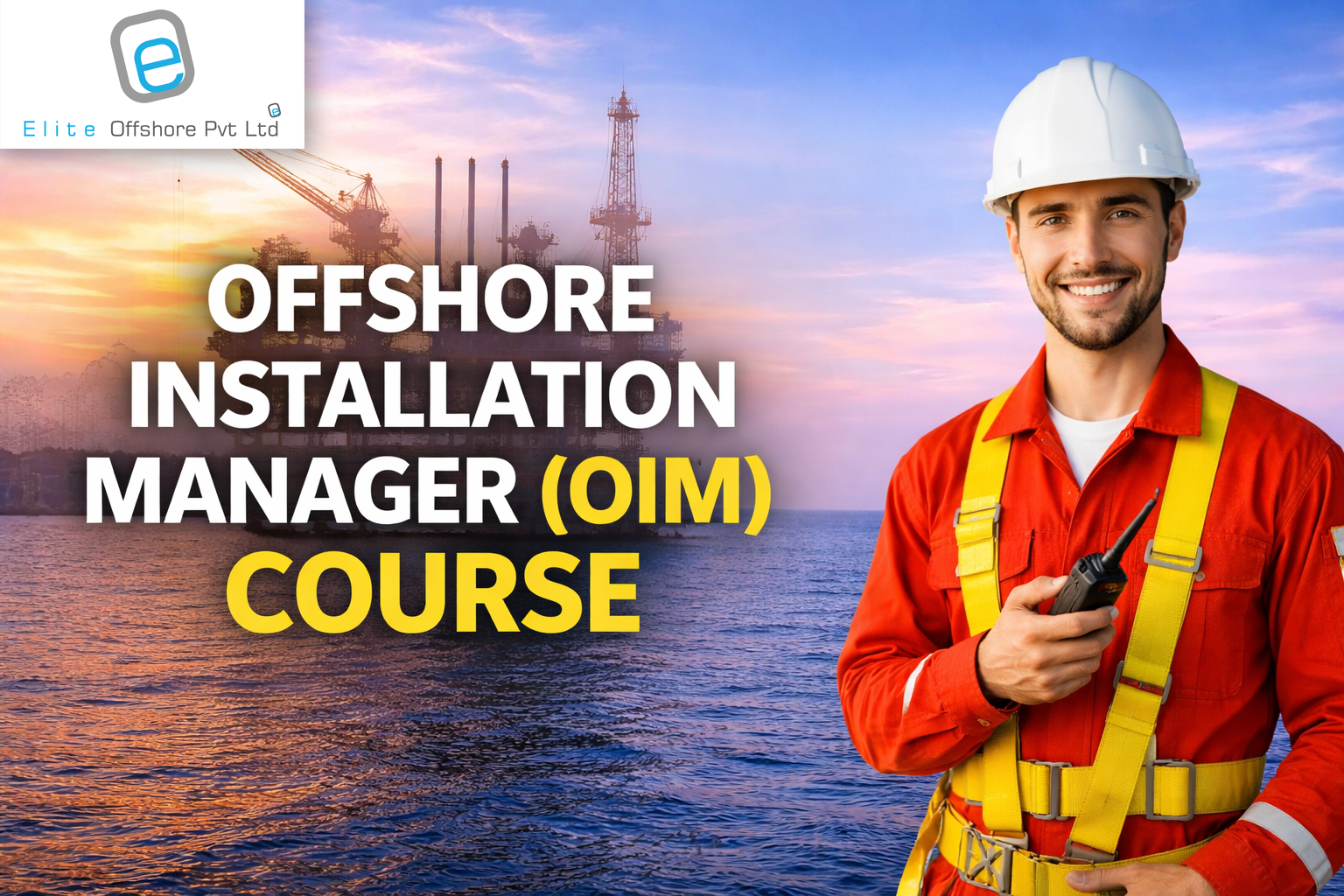
Offshore Installation Manager (OIM) Course – Liberia Approved OIM Certification
Looking to become an Offshore Installation Manager? This Liberia-approved OIM Course helps experienced offshore professionals step into leadership roles in the oil and gas industry. OIM Course – Offshore Installation Manager Certification (Liberia Approved) The OIM Course is designed to build leadership, safety, and operational management skills. Aligned with IMO A.1079(28), this certification is globally recognized and supports career growth in offshore operations. Course Highlights Duration: 5 Days Mode: Online / Offline / Onsite Certification: Liberia Approved Focus: Safety, Operations & Leadership Role of an OIM An Offshore Installation Manager is responsible for managing offshore platforms, ensuring safety compliance, and leading emergency response in high-risk environments. Key Learning Areas Safety & HSE Management Risk Assessment & Hazard Control Emergency Response Permit to Work (PTW) Leadership & Team Management Career Opportunities After completing this OIM certification, you can progress to roles like Offshore Installation Manager, Rig Manager, Offshore Operations Manager, or Safety Manager. Explore Course & Enroll Now! OIM Course FAQs 1. What is an OIM Course? The OIM Course is a training program that prepares professionals to manage offshore installations, focusing on safety, operations, and emergency response. 2. Is this certification internationally recognized? Yes, the certification is Liberia-approved and aligned with IMO A.1079(28), making it globally recognized. 3. Who should take this course? Offshore supervisors, engineers, rig managers, and experienced professionals aiming for leadership roles should take this course. 4. What is the duration of the course? The course duration is typically 5 days. 5. What roles can I apply for after this course? You can apply for roles such as Offshore Installation Manager, Rig Manager, Operations Manager, and Offshore Safety Manager. 6. Is offshore experience required? Yes, relevant offshore experience and supervisory exposure are generally expected for this course.
More detailsPublished - Wed, 25 Mar 2026

Created by - Elite Offshore Pvt Ltd
BOSIET Training: Requirements, Course Details, Validity & Career Benefits
BOSIET Training is the first step to starting a career in the offshore oil & gas industry. This mandatory safety course prepares you for emergency situations like helicopter evacuation, sea survival, and fire hazards. BOSIET Course – 3 Days Offshore Safety Training At Elite Offshore Pvt Ltd, we offer industry-approved BOSIET (Basic Offshore Safety Induction and Emergency Training) to help you become job-ready in just 3 days. Get trained, certified, and job-ready in just 3 days – ₹18,000 Why Choose BOSIET Training? The BOSIET course is required by most offshore companies and ensures you are prepared for real-life offshore emergencies. ✔ Industry-required certification ✔ Hands-on practical training ✔ Better offshore job opportunities ✔ Globally recognized safety standards What You Will Learn in BOSIET Safety Induction Offshore hazards & risk awareness PPE (Personal Protective Equipment) Emergency procedures Sea Survival & First Aid Sea survival techniques Life raft training CPR & first aid Fire Fighting & Self Rescue Fire prevention & control Use of firefighting equipment Emergency escape techniques Helicopter Safety & Escape (HUET) Helicopter safety procedures Underwater escape training Emergency breathing systems BOSIET Course Details Duration: 3 Days Course Fee: ₹18,000 Certification: Offshore Industry Approved Who Should Enroll? Freshers entering offshore jobs Riggers, crane operators, technicians Oil & gas professionals Anyone planning offshore work Career Opportunities After BOSIET Offshore technician Crane operator Rigger Safety assistant Marine crew Enroll Now – Limited Seats Available Call / WhatsApp now to book your BOSIET Training
More detailsPublished - Mon, 30 Mar 2026

Created by - Elite Offshore Pvt Ltd
Shoulder Breadth Measurement Training
Why Shoulder Breadth Measurement Training Matters for Offshore SafetyIn offshore operations, safety is never just a checklist—it’s a combination of preparation, precision, and understanding the smallest details that can make a big difference. One such critical detail, often overlooked outside the industry, is shoulder breadth measurement. For professionals who travel to offshore installations by helicopter, this measurement can directly impact evacuation safety and seating compatibility.At Elite Offshore Pvt Ltd, training programs are designed around real-world offshore challenges. The Shoulder Breadth Measurement Training is one such specialized program developed to ensure that personnel meet essential safety requirements before stepping onto a helicopter bound for offshore platforms.Understanding Shoulder Breadth in Offshore ContextShoulder breadth is not just a physical measurement—it is a safety parameter. In emergency situations, especially helicopter evacuations, the ability to exit through restricted spaces quickly can save lives.The measurement focuses on the width across the deltoid muscles. Based on this:Individuals with a shoulder width greater than 55.9 cm (22 inches) are classified as XBR (Extra Broad)Those with 55.9 cm or less fall under the regular categoryThis classification plays a key role in helicopter seating arrangements. While at least 30% of seats on most helicopters are designed for XBR individuals, availability varies depending on the aircraft type. Proper classification ensures that personnel are assigned appropriate seating, reducing risk during transit and emergency evacuation.Why This Training Is EssentialFor offshore workers, especially in oil & gas operations, helicopter transport is routine. However, without proper measurement and classification, risks can increase during emergency scenarios.This training ensures that:Measurements are accurate and consistentPersonnel are correctly classifiedSafety protocols align with industry regulationsThe course follows EASA (European Aviation Safety Agency) and Oil and Gas UK Medical Guidelines, making it relevant and compliant with international offshore safety standards.What the Training CoversThe program combines theory with hands-on practice to ensure participants gain both knowledge and practical skills. Key areas include:1. Introduction & PurposeParticipants understand why shoulder measurement is critical in offshore and aviation safety.2. Basic AnthropometryA foundation in body measurement techniques, focusing on accuracy and standardization.3. Offshore & Aviation Safety ContextHow shoulder breadth impacts helicopter travel, seating, and emergency evacuation.4. Measurement EquipmentUse of tools such as:Anthropometric calipersMeasuring tapes5. Standard Measurement ProceduresTraining includes:Biacromial measurement (shoulder bone width)Bideltoid measurement (muscle width)6. Accuracy & Error PreventionReducing human error through correct positioning and repeatable methods.7. Data Recording & DocumentationSystematic recording to maintain compliance and traceability.8. Acceptance Criteria & LimitsUnderstanding classification thresholds, including XBR criteria.9. Practical Hands-on SessionReal-time measurement practice to build confidence and accuracy.How the Training Is DeliveredElite Offshore Pvt Ltd ensures that learning is practical and relevant. The training is conducted:Duration: 01:00:00 HoursMode: Offline or Client SiteThe short duration makes it easy for companies to integrate this training into their safety programs without disrupting operations.Real-World Importance for Offshore ProfessionalsFor safety officers, supervisors, and offshore workers, this training is more than just a requirement—it’s a responsibility.Accurate shoulder measurement:Supports safe helicopter seating allocationImproves emergency evacuation readinessEnsures compliance with international standardsReduces risk in confined exit scenariosIn high-risk environments like offshore platforms, even a small miscalculation can have serious consequences. This is why trained personnel who can perform these measurements correctly are highly valuable.Why Choose Elite Offshore Pvt LtdElite Offshore Pvt Ltd has built its reputation by focusing on industry-specific training that meets real operational needs. Their programs are:Delivered by experienced industry instructorsAligned with global safety standardsDesigned with practical application in mindThe Shoulder Breadth Measurement Training reflects this approach—focused, precise, and directly applicable to offshore operations.Final ThoughtsSafety in offshore environments depends on preparation at every level. Shoulder breadth measurement may seem like a minor detail, but in critical moments, it becomes a key factor in ensuring safe evacuation and compliance.For organizations and professionals involved in offshore travel, investing in proper training is not optional—it’s essential. This course ensures that measurements are done right, classifications are accurate, and safety standards are maintained without compromise.If your team regularly travels offshore by helicopter, this training is a smart and necessary addition to your safety program.
More detailsPublished - Fri, 03 Apr 2026
Created by - Elite Offshore Pvt Ltd
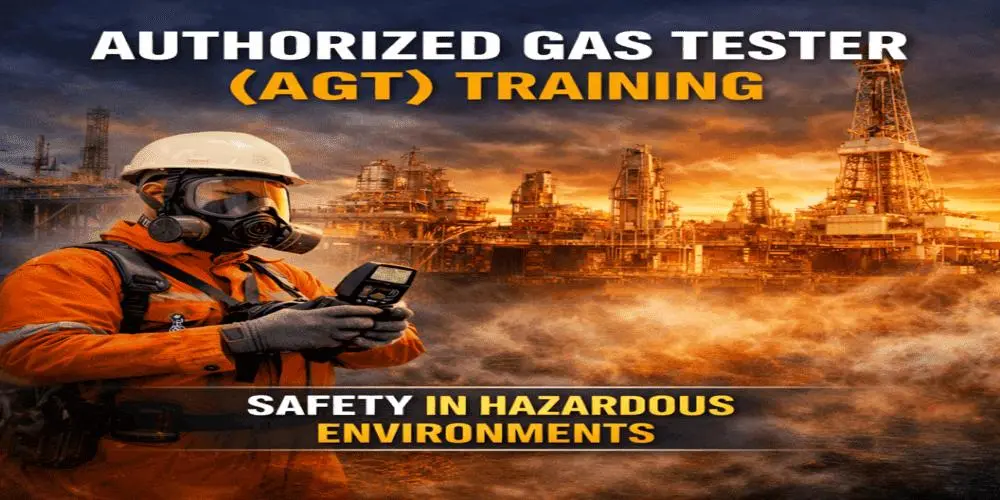
Authorized Gas Tester (AGT)
Why Authorized Gas Tester (AGT) Training Matters in Offshore and Industrial WorkIn offshore and industrial environments, safety is never optional—it’s a daily responsibility. Anyone who has worked on an oil & gas platform, inside a confined space, or around volatile substances understands how quickly conditions can change. One of the most critical roles in maintaining a safe worksite is that of an authorised gas tester (AGT).This role isn’t just about using a device and recording readings. It’s about protecting lives, preventing incidents, and ensuring that every task carried out in hazardous zones is backed by accurate gas monitoring and sound judgment.What is an Authorized Gas Tester (AGT)?An authorised gas tester is a trained professional responsible for detecting and monitoring gases in potentially dangerous environments. These include confined spaces like tanks, vessels, pipelines, and enclosed industrial areas where toxic or flammable gases may accumulate.The responsibility goes beyond testing. An AGT ensures that:The atmosphere is safe before work beginsContinuous monitoring is maintained during operationsProper documentation and communication are followedWithout proper gas safety training, even a small oversight can lead to serious incidents.Why AGT Training is Essential?Many industrial accidents are linked to poor workplace gas safety practices. Invisible gases like hydrogen sulfide or carbon monoxide don’t give warnings—you need the right skills and tools to identify them.This is where an authorised gas tester training program becomes crucial.A well-structured gas testing course helps workers:Understand different gas properties and hazardsUse gas detection equipment correctlyInterpret readings accuratelyFollow safe systems of workManage confined space entry proceduresFor anyone involved in industrial gas testing or offshore operations, these are not optional skills—they are basic requirements.About the AGT Course by Elite Offshore Pvt LtdElite Offshore Pvt Ltd offers an industry-recognized authorised gas tester course designed specifically for high-risk work environments. The course is approved by OPITO, which ensures it meets global safety and training standards.The program is delivered as an authorised gas tester online course, making it accessible for professionals who may be working rotational shifts or offshore schedules.Course Highlights:Duration: 08:00:00 HoursApproval: OPITO approvedCertification: Recognized agt certification upon completionWhat You Will LearnThe authorised gas tester e-learning course is designed to be practical and relevant. It focuses on real-world applications rather than just theory.Key learning areas include:1. Roles and ResponsibilitiesUnderstanding what is expected from an AGT in different scenarios, including legal and safety obligations.2. Gas Detection EquipmentHands-on knowledge of devices used in gas monitoring training, including calibration, usage, and maintenance.3. Gas Hazards and PropertiesDetailed insights into flammable, toxic, and oxygen-deficient atmospheres—core to hazardous gas testing.4. Confined Space EntryProcedures and precautions required before and during entry into confined environments.5. Interpreting ResultsReading gas levels accurately and making informed decisions to ensure safety.6. Documentation and ReportingRecording findings correctly, which is a critical part of gas tester qualifications.Why Choose an Online AGT Course?The authorised gas tester online course format is especially useful for offshore workers and industrial professionals who cannot attend regular classroom sessions.With Elite Offshore’s approach, you get:Flexible learning schedulesInteractive simulations for practical understandingAccess to experienced instructorsReal-world scenario-based trainingThis makes it easier to complete your gas detector certification without disrupting your work routine.Who Should Take This Course?This gas tester course is ideal for:Offshore oil & gas workersSafety officers and supervisorsMarine and shipping professionalsIndustrial workers handling confined spacesAnyone involved in gas monitoring training or safety complianceIf your job involves exposure to hazardous environments, having an authorised gas tester certification is a strong advantage—and in many cases, a requirement.The Real Value of AGT CertificationCompleting an agt certification is not just about adding a credential to your profile. It shows that you understand the importance of safety and are capable of handling critical responsibilities on-site.Companies actively look for trained professionals who can manage workplace gas safety effectively. Having this certification can:Improve job opportunitiesIncrease workplace responsibilityBuild trust within safety teamsHelp meet international compliance standardsConclusionIn industries where risk is part of the job, preparation is everything. An authorised gas tester training program equips you with the knowledge and confidence to make the right decisions when it matters most.Whether you’re already working offshore or planning to enter the field, investing in a certified gas safety training program is a practical step toward a safer and more stable career.Elite Offshore Pvt Ltd continues to provide structured, industry-focused training that helps professionals stay prepared, compliant, and safe in demanding environments.
More detailsPublished - Tue, 14 Apr 2026
Created by - Elite Offshore Pvt Ltd
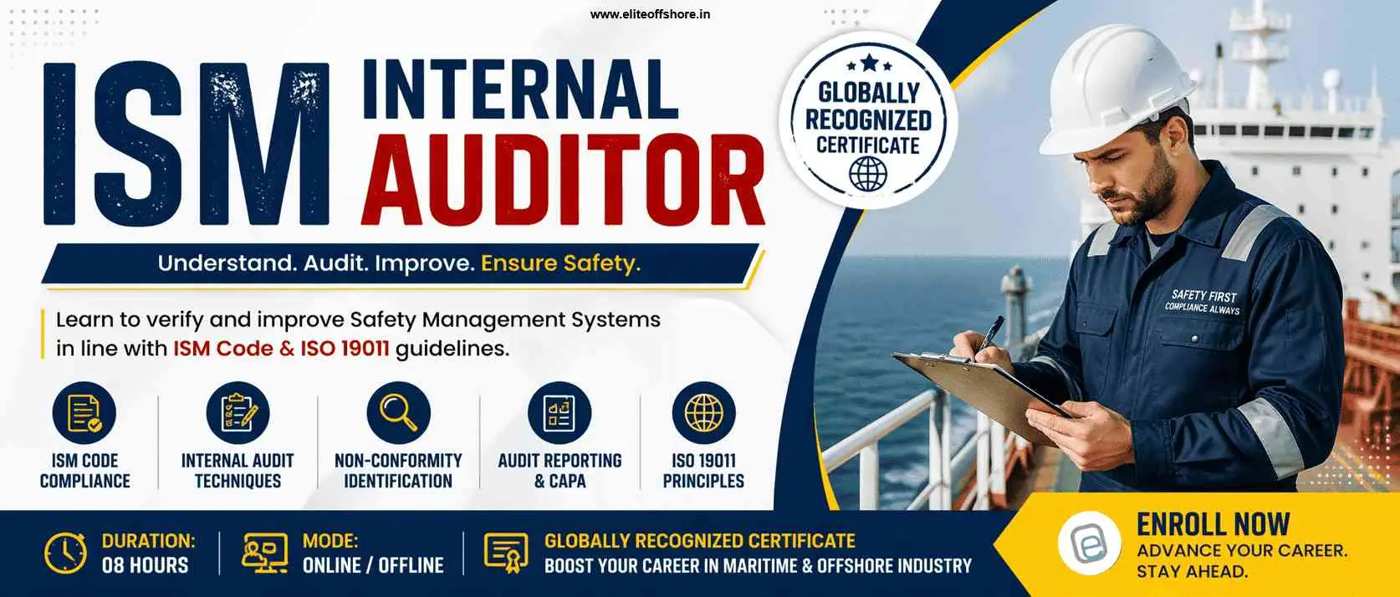
ISM Internal Audit – What Really Happens During an Audit on Ships (And Why You Should Care)
ISM Internal Auditor – A Role Most Seafarers Hear About, But Few Really UnderstandIf you work in shipping or offshore operations, you have likely come across the term ISM Internal Auditor during audits, inspections, or SMS discussions. In real operations, an ISM Internal Auditor is responsible for checking whether the Safety Management System (SMS) is actually implemented onboard and ashore—not just documented. Core idea: Internal auditing verifies if procedures written in the ISM Code are actually followed in real operations. What Internal Auditors Focus On Implementation of SMS procedures onboard ships and offshore units Effectiveness of safety drills and emergency response systems Gap between documentation and actual practice Identification of non-conformities and improvement areas Why ISM Internal Audit Matters? Internal audits are the first level of verification before external inspections like Flag State, Port State Control, and vetting audits. A strong internal audit system helps maintain ISM Code compliance, improves safety culture, and reduces audit observations. ISM Internal Auditor Course We offer a structured ISM Internal Auditor Course designed for maritime and offshore professionals who want practical understanding of audit systems. ISM Code internal audit requirements SMS audit process and techniques Non-conformity identification and reporting Audit planning and checklist preparation ISO 19011 auditing principles in maritime industry Duration: 08 Hours (Online / Offline Training Available) Globally recognized certificate issued upon completion for professional development in maritime and offshore industry. Frequently Asked Questions (FAQ) What is ISM Internal Auditor training? It is a course that explains how internal audits of a Safety Management System are conducted under ISM Code requirements. Who performs ISM internal audits? Trained shipboard officers, HSE professionals, and shore-based compliance personnel usually perform internal audits. Why is internal auditing important in shipping? It ensures that SMS procedures are implemented correctly and helps prevent non-conformities during external inspections. Is this course suitable for beginners? Yes, it is designed for maritime professionals who want to understand audit systems even without prior auditing experience.
More detailsPublished - Tue, 21 Apr 2026
Created by - Elite Offshore Pvt Ltd
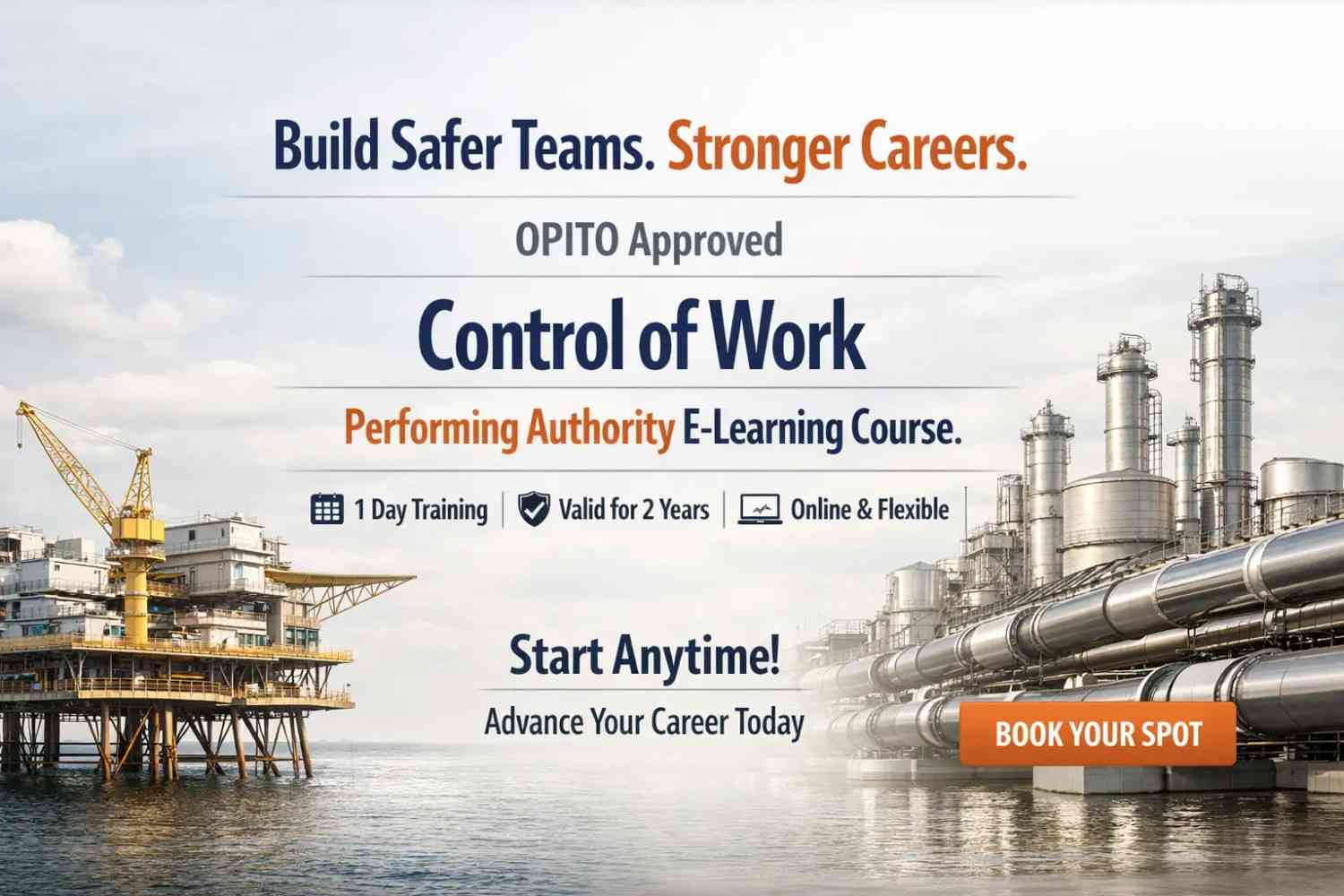
OPITO‑Approved Control of Work – Performing Authority E‑Learning Course: Build Safer Teams, Stronger Careers
IntroductionIn offshore oil and gas, safety isn’t optional — it’s strategic. Hiring managers and training coordinators know that a single weak link in permit‑to‑work systems can put entire operations at risk. At the same time, professionals seeking career growth understand that globally recognized certifications are the fastest way to stand out. That’s where the OPITO‑Approved Control of Work – Performing Authority E‑Learning Course comes in: a 1‑day program, valid for 2 years, designed to strengthen both organizational safety culture and individual authority.Why Training Coordinators Choose This Course Globally Recognized Standard: OPITO approval ensures compliance with international benchmarks. Efficient Upskilling: One day of training delivers two years of certified competence. Risk Reduction: Certified Performing Authorities reduce incidents, downtime, and liability. Scalable: Easy to enroll multiple candidates online, making workforce development seamless.Why Candidates EnrollCareer Advancement: OPITO certification is a powerful differentiator in oil and gas recruitment. Practical Skills: Learn hazard management, permit‑to‑work systems, and compliance leadership. Flexibility: Online e‑learning fits around offshore schedules. Confidence: Certification validates your ability to make critical safety decisions. Course Details:Duration: 1 Day Fee: ₹25,000 + 18% GST Mode: Online E‑Learning Validity: 2 Years Certification: OPITO Approved Whether you’re a training coordinator building safer teams or a professional aiming for career growth, this course delivers measurable impact.Enroll today in our OPITO‑Approved Control of Work – Performing Authority E‑Learning Course.
More detailsPublished - Fri, 24 Apr 2026
Created by - Elite Offshore Pvt Ltd
Basic Fire Fighting & Rescue Training for Offshore & Industrial Workers
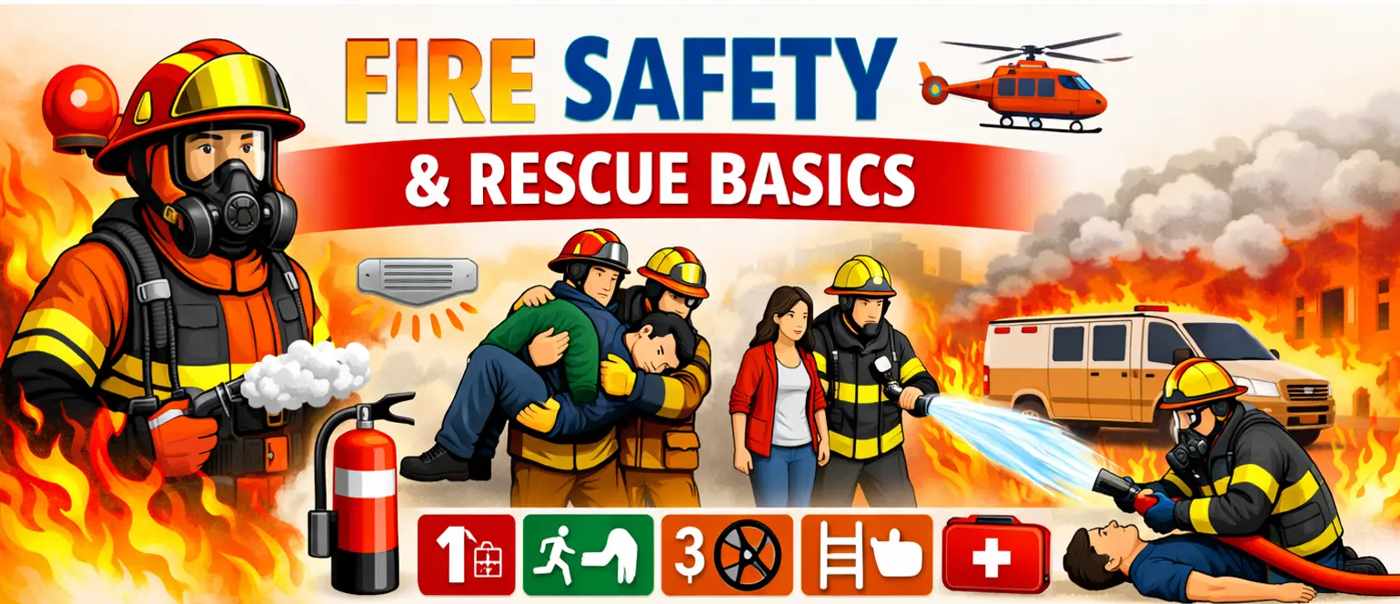
Offshore installations, refineries, and industrial plants are high-risk environments where fire can escalate rapidly. Proper emergency response training helps personnel react effectively and safely during workplace fire incidents. Elite Offshore Pvt Ltd's Basic Fire Fighting & Rescue Training is a 1-day instructor-led course designed for offshore workers, HSE professionals, industrial personnel, and emergency response teams. Why Fire Fighting Training Is Important Industrial and offshore fires involve hazards such as flammable liquids, pressurized systems, confined spaces, and limited escape routes. Trained personnel can help reduce injuries, operational damage, and emergency escalation. Understanding fire classes and hazards Correct use of fire extinguishers Emergency evacuation procedures Basic rescue techniques Fire prevention awareness PPE and emergency response basics Course Curriculum Fire science and hazard identification Fire alarm and emergency response procedures Portable fire extinguisher practical training Evacuation and muster procedures Basic search and rescue techniques PPE awareness for fire response Live drill and scenario-based exercises Incident reporting and post-fire procedures Who Should Attend? Offshore workers HSE managers and safety officers Factory supervisors Oil & gas personnel Refinery and plant operators Emergency response team members Industrial maintenance personnel Course Information Course Duration: 1 Day Standard: OSHA 29 CFR 1910.120 (a)(3) Location: CBD Belapur, Navi Mumbai Certificate: Provided upon successful completion Why Choose Elite Offshore Pvt Ltd? Elite Offshore Pvt Ltd provides industry-focused safety and offshore training programs for marine, offshore, oil & gas, and industrial sectors. The training combines theoretical knowledge with practical emergency response awareness. Contact Website: https://eliteoffshore.in Course Page: Basic Fire Fighting & Rescue Training
More detailsPublished - Mon, 11 May 2026

Created by - Elite Offshore Pvt Ltd
Offshore Installation Manager (OIM) Course: Building Offshore Leaders for Safe Operations
The offshore oil & gas industry is one of the most demanding sectors in the world. Offshore installations operate in remote locations where safety, operational discipline, and leadership are extremely important. Every offshore facility requires experienced professionals who can manage operations efficiently while ensuring the safety of personnel, equipment, and the environment. This is where the role of an Offshore Installation Manager (OIM) becomes highly important.An offshore installation manager is responsible for overseeing offshore operations, supervising teams, maintaining safety procedures, and managing emergency situations on board offshore installations. The role requires technical expertise, operational knowledge, leadership ability, and a strong understanding of offshore safety standards.To support offshore professionals aiming for leadership positions, Elite Offshore Pvt Ltd offers a Liberia-approved Offshore Installation Manager (OIM) course conducted in accordance with IMO Resolution A.1079(28). The training program is designed to prepare offshore personnel for real-world operational responsibilities and emergency management requirements within offshore environments.What is an Offshore Installation Manager (OIM)?An Offshore Installation Manager, commonly known as OIM, is the senior authority onboard an offshore installation such as a drilling rig, offshore platform, accommodation barge, or floating offshore unit. The OIM is responsible for the safe and smooth functioning of offshore operations.The responsibilities of an OIM offshore professional include:Managing offshore operational activitiesSupervising workforce safety proceduresCoordinating emergency response systemsConducting risk assessments and safety reviewsMaintaining regulatory complianceManaging communication between offshore and onshore teamsMonitoring environmental protection proceduresLeading personnel during critical operational situationsAn offshore installation manager plays a major role in ensuring that offshore operations continue safely, efficiently, and in compliance with international offshore standards.Why OIM Training is Important in Offshore OperationsOffshore operations involve various risks, including fire hazards, equipment failures, adverse weather conditions, industrial accidents, and marine emergencies. Because of these challenges, offshore companies require trained supervisors who can manage operations professionally under pressure.An OIM training program helps offshore personnel gain a practical understanding of:Offshore safety management systemsEmergency preparedness and crisis responseOffshore operational planningLeadership and workforce managementRisk assessment proceduresEnvironmental protection systemsOffshore compliance requirementsWith offshore industries focusing heavily on safety and operational efficiency, OIM certification has become an important qualification for professionals aiming to move into senior offshore management roles.Offshore Installation Manager Course by Elite Offshore Pvt LtdElite Offshore Pvt Ltd is a recognized offshore, marine, and industrial safety training provider offering specialized offshore courses for professionals working in high-risk operational environments. Since 2015, the institute has been delivering industry-focused training programs aligned with international offshore and maritime standards.The Offshore Installation Manager (OIM) course offered by Elite Offshore Pvt Ltd is approved by LISCR and conducted in accordance with IMO Resolution A.1079(28) adopted on 4 December 2013.Course OverviewThe offshore installation manager course is designed for experienced offshore professionals seeking management-level responsibilities on board offshore installations. The course focuses on operational supervision, emergency response, leadership development, and offshore safety management.Course DetailsCourse InformationDetailsCourse NameOffshore Installation Manager (OIM)CategoryLiberia ApprovedApprovalGovernment of Liberia (LISCR)StandardIMO Resolution A.1079(28)Duration40 HoursCourse Link:https://eliteoffshore.in/home/course/offshore-installation-manager-oim/1Topics Covered in the OIM CourseThe OIM course covers several important operational and safety-related subjects required for offshore leadership positions.Offshore Safety ManagementParticipants learn offshore safety procedures, permit-to-work systems, hazard identification methods, and safe operational practices followed on board offshore facilities.Emergency Response and Crisis ManagementThe course includes training related to offshore emergency preparedness, evacuation procedures, fire response coordination, emergency communication systems, and crisis management techniques.Leadership and Team ManagementAn offshore installation manager must coordinate multiple departments and offshore teams. The training helps improve leadership skills, communication, workforce supervision, and operational decision-making.Offshore Operational ProceduresCandidates gain an understanding of offshore operational planning, marine coordination, installation supervision, and industrial activities associated with offshore operations.Risk Assessment and Incident PreventionThe course focuses on offshore risk management procedures used to minimize operational hazards and improve workplace safety performance.Environmental Protection and ComplianceParticipants are trained on pollution prevention methods, environmental protection systems, and offshore regulatory compliance procedures.Who Should Attend This Offshore Training Course?This offshore training course is suitable for experienced offshore and marine professionals planning to advance into offshore management and supervisory roles.The course is beneficial for:Offshore supervisorsDrillers and assistant drillersToolpushersBarge supervisorsBallast control operatorsOffshore safety officersMarine officersOffshore operational personnelSenior offshore crew membersProfessionals working onboard offshore drilling rigs, accommodation barges, offshore construction vessels, semi-submersible units, and floating offshore installations can benefit from this offshore installation manager course.Benefits of OIM CertificationCompleting an OIM certification program provides offshore professionals with operational knowledge and leadership skills required for senior offshore responsibilities.Improved Career OpportunitiesCertified offshore installation manager professionals are preferred for leadership positions within offshore drilling, marine operations, and offshore production facilities.Stronger Leadership SkillsThe course helps participants improve operational supervision, workforce coordination, and decision-making capabilities.Better Emergency Management KnowledgeParticipants gain a practical understanding of offshore emergency systems and crisis-response procedures used during offshore incidents.Internationally Recognized TrainingThe training is aligned with IMO standards and approved by Liberia Flag authorities, increasing industry acceptance and recognition.Enhanced Safety AwarenessThe course strengthens understanding of offshore safety procedures, risk management systems, and compliance standards.Why Choose Elite Offshore Pvt Ltd?Elite Offshore Pvt Ltd provides specialized offshore training programs designed to meet modern offshore industry requirements. The institute focuses on practical learning methods and internationally aligned offshore training standards.Key Advantages of Training with Elite Offshore Pvt LtdExperienced offshore industry instructorsLiberia-approved offshore coursesIMO-standard training programsIndustry-focused practical trainingFlexible learning optionsSpecialized offshore and marine safety programsThe institute also offers additional offshore courses related to offshore supervision, operational management, and industrial safety training.Growing Demand for Offshore Installation ManagersThe offshore energy industry continues to require qualified professionals capable of managing offshore operations safely and efficiently. Offshore companies are actively seeking experienced personnel with leadership training and internationally recognized offshore certification.An offshore installation manager must be capable of:Leading offshore teams effectivelyManaging offshore operational risksCoordinating emergency response activitiesMaintaining offshore safety complianceSupervising daily operational proceduresAs offshore operations continue expanding globally, professionals with OIM offshore training and certification remain in demand across the offshore and marine sectors.ConclusionThe Offshore Installation Manager role is one of the most responsible leadership positions within offshore operations. Managing offshore installations requires operational expertise, leadership capability, emergency preparedness, and strong commitment to safety standards.The Liberia-approved Offshore Installation Manager (OIM) course offered by Elite Offshore Pvt Ltd provides offshore professionals with practical knowledge and internationally aligned training required for offshore management responsibilities.For professionals aiming to strengthen their offshore career profile, improve operational leadership skills, and obtain recognized OIM certification, this offshore course offers valuable industry-focused training designed to meet modern offshore operational requirements.
More detailsPublished - Tue, 26 May 2026
Created by - Elite Offshore Pvt Ltd
Confined Space Entry and Rescue: The Definitive Industrial Safety Guide
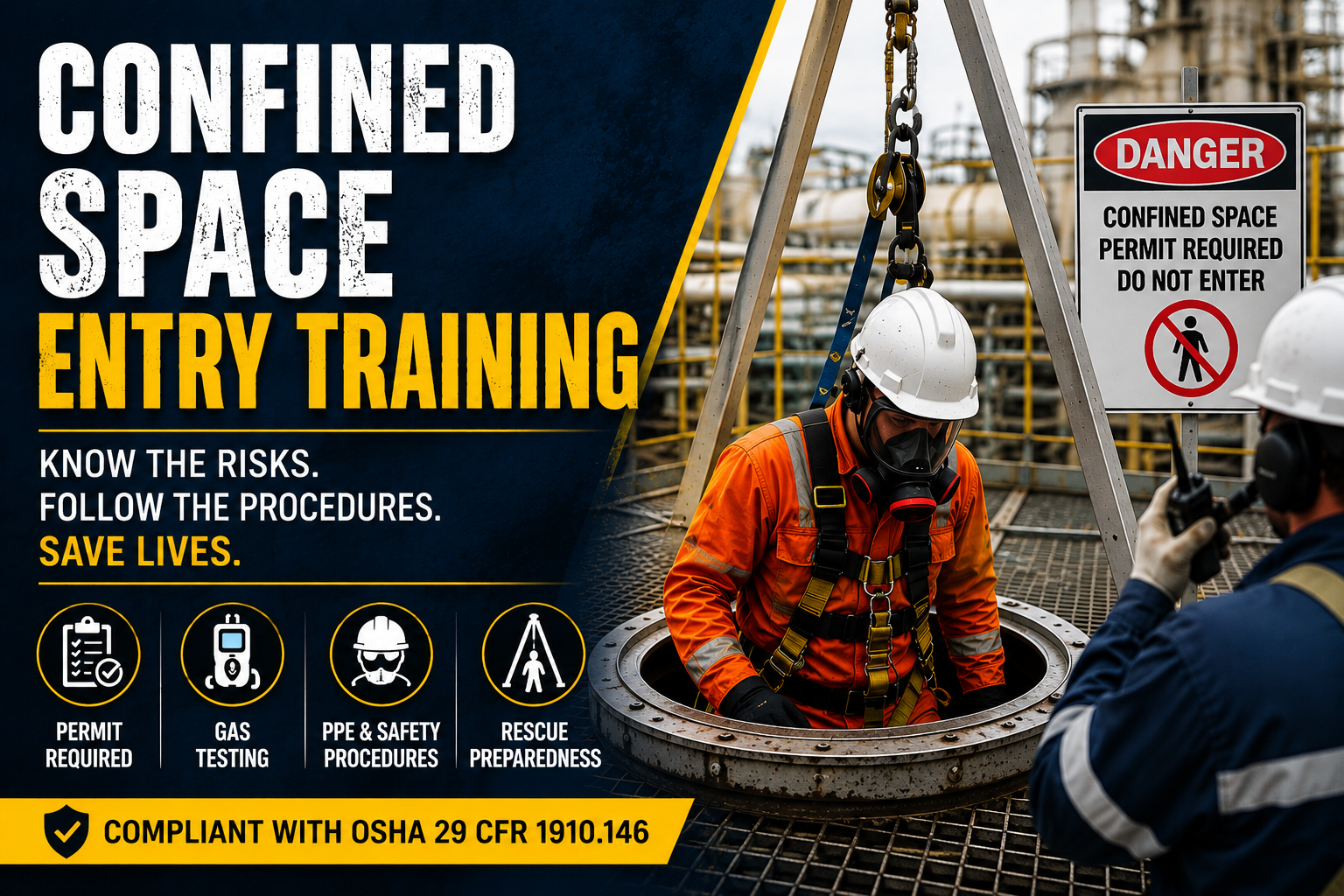
Confined spaces are among the most unpredictable and high-risk work environments across heavy industries. Whether managing offshore oil & gas rigs, marine vessel maintenance, commercial construction, or petrochemical manufacturing, entering an enclosed area demands absolute technical precision.Workers routinely enter storage tanks, pressure vessels, silos, sewers, and pipelines for critical cleaning, inspection, and repairs. However, if proper atmospheric testing and entry permit protocols are bypassed, a minor error can instantly escalate into a fatal incident.Understanding the distinct classification of these hazards, regulatory mandates, and emergency extraction procedures is the only way to safeguard your personnel and maintain regulatory compliance.Industrial Confined Space Training MatrixTo ensure total site safety, workforce compliance is split into two distinct operational roles. Review the criteria below to see which specialized certification your personnel require:Training ProgramPrimary FocusBest Suited ForConfined Space EntryHazard recognition, 4-gas air monitoring, permit authorization, and entrant/attendant roles.General laborers, tank cleaners, safety inspectors, and supervisors.Confined Space RescueTechnical tripod deployment, high-angle extraction mechanics, and SCBA rescue operations.Emergency Response Teams (ERT), standby rescue crews, and HSE managers.[Click Here to Explore Confined Space Entry Course Details][Click Here to Explore Advanced Confined Space Rescue Training]Defining a Confined Space: Criteria and ClassificationsAccording to international industrial frameworks, an environment is officially classified as a confined space if it satisfies three strict parameters:It is large enough and so configured that an employee can bodily enter and perform assigned work.It has limited or restricted means for entry or exit (e.g., manholes, hatches, or narrow shafts).It is explicitly not designed for continuous human occupancy.Permit-Required vs. Non-Permit Confined SpacesSafety regulations draw a sharp operational line based on the presence of immediate physical threats:Non-Permit Confined Space: A space that meets the basic definition of a confined space but does not contain atmospheric or structural hazards capable of causing severe systemic harm or death.Permit-Required Confined Space (PRCS): A space that poses immediate dangers, including a verified potential for a hazardous atmosphere, materials capable of engulfing an entrant, or internal walls that taper into smaller cross-sections leading to entrapment.The Core Defenses: Entry Permits and Atmospheric Monitoring[Isolate Area (LOTO)] ──► [Test Atmosphere] ──► [Issue Permit] ──► [Authorize Entry]1. The Confined Space Entry PermitAn entry permit is a binding safety contract. It serves as documented verification that the work area has been systematically evaluated by a competent person before any worker crosses the threshold. A valid permit must clearly detail isolation protocols (like Lockout/Tagout), current gas monitor data, a roster of authorized entrants, and an active communication log between the entrant and the Standby Attendant.2. Atmospheric Testing and Continuous Air MonitoringStatistics show that atmospheric hazards account for the vast majority of confined space fatalities. Pockets of gas can be completely odorless and invisible, making calibrated 4-gas air monitors mandatory. Workers entering these structures face three common airborne threats:Oxygen Deficiency: Levels falling below 19.5% due to microbial action, metal oxidation (rust), or purging gases like nitrogen.Toxic Gas Accumulation: Sudden exposure to lethal concentrations of Hydrogen Sulfide ($H_2S$) or Carbon Monoxide ($CO$).Flammable/Explosive Vapors: Methane or fuel vapors that cross the Lower Explosive Limit (LEL), where a single non-intrinsically safe tool can spark an explosion.Site Protocol: Atmospheric testing must always be performed from the outside using sampling pumps before entry, and air monitoring must remain continuous throughout the shift. Learn how to configure these systems in our [Confined Space Entry Certification].Technical Extraction: Essential Confined Space Rescue EquipmentWhen an emergency occurs inside an enclosed cell, time is measured in seconds. Shockingly, more than half of confined space fatalities involve untrained, well-meaning rescuers who rush into a toxic space without protection.An OSHA-compliant rescue protocol relies on specialized mechanical retrieval systems designed to extract an unconscious worker without requiring additional personnel to enter the space:Mechanical Retrieval Systems: Heavy-duty aluminum tripods paired with high-tensile retrieval winches and fall-arrest blocks.Full-Body Rescue Harnesses: Harnesses featuring dedicated shoulder or dorsal D-rings designed to keep an incapacitated worker perfectly vertical during a tight vertical extraction.Atmospheric Life Support: Positive-pressure Self-Contained Breathing Apparatus (SCBA) or airline systems equipped with emergency escape cylinders for the extraction crew.Emergency Readiness: Deploying structural tripods, managing mechanical advantages, and performing real-time vertical extractions requires intense, hands-on muscle memory. Train your standby safety team with advanced field simulations via our comprehensive [Confined Space Rescue Course].Conclusion: Partner with Elite Offshore Pvt. Ltd.Managing confined space operations requires verified competence. Whether your assets involve onshore chemical storage tanks or offshore marine cargo holds, cutting corners on safety training introduces extreme operational and financial liabilities.Empower your personnel with the real-world skills needed to identify structural hazards, handle multi-gas detectors, and execute flaw-free emergency retrievals.Take the Guesswork Out of Industrial Safety Compliance.This guide is brought to you by Elite Offshore Pvt. Ltd., India’s premier destination for globally aligned marine, oil & gas, and industrial safety certifications.Ready to book a dedicated training slot for your engineering or safety crew?[Click Here to Enroll in Our Confined Space Entry Program] or contact our corporate training coordinators today to build a custom training calendar for your workforce.
More detailsPublished - Thu, 11 Jun 2026
Search
Popular categories
OSHA & Industrial Safety Courses
25Liberia Approved Rig Courses
7Offshore Oil and Gas Rig Courses
6Marine and Offshore
5IADC Approved - E learning
3Port & Marine Courses
2Latest blogs
H2S Detection and Hydrogen Sulphide Safety: What Every Worker Should Know
Wed, 21 Oct 2026

Why Companies Should Arrange Practical Safety Training for Their Teams
Mon, 12 Oct 2026
IADC RigPass: 8 Common Mistakes and Misconceptions
Wed, 23 Sep 2026
Write a public review